
 Furniture
Why Tire Pressure Drops in Cold Weather (and What to Do)
How much tire pressure drops as temperatures fall, why the TPMS light comes on during cold mornings, and how to check and fill your tires correctly.
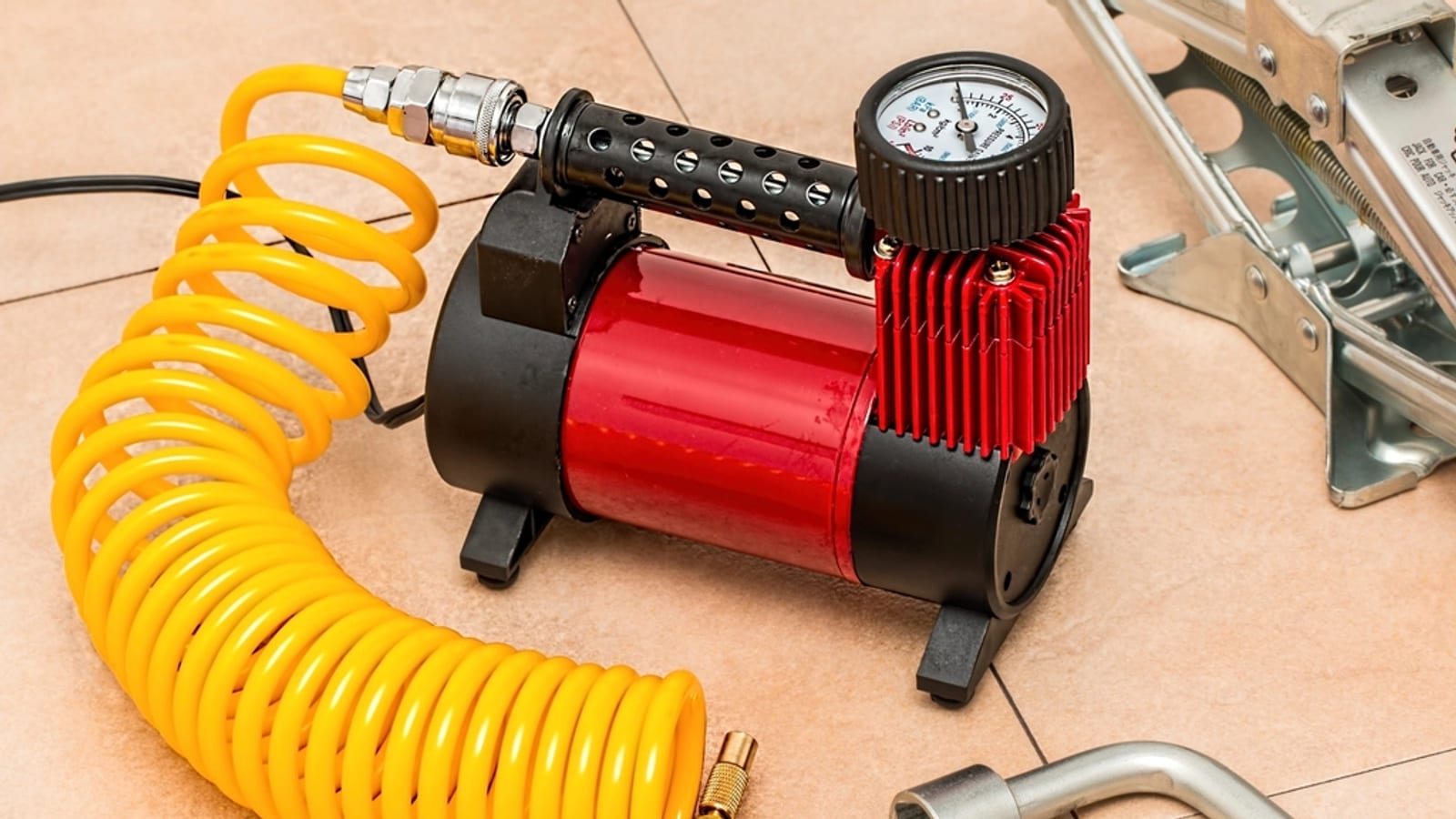
Quick answer
- Air contracts as it cools. USTMA’s rule of thumb is a loss of about 1 to 2 psi for every 10°F drop in temperature.
- Check pressure with a gauge when the tires are cold, at least once a month and before long trips.
- Fill to the number on the driver’s door-jamb placard or in the owner’s manual, not the maximum molded on the tire’s sidewall.
How much pressure do tires lose in the cold?
The air inside a tire contracts as it cools, and the pressure drops with it. The U.S. Tire Manufacturers Association (USTMA) puts the change at about 1 to 2 psi for every 10°F the temperature falls, and pressure rises by a similar amount when it warms up. At least one major tire maker uses a lower average of about 1 psi per 10°F.
Tires also lose a little air on their own. USTMA says passenger and light truck tires can lose 1 to 2 psi a month under normal conditions. If a tire keeps losing more than 2 psi a month, have a tire professional find out why.
The two add up. Say you last set your tires on a warm afternoon in late summer. A morning 40°F colder could leave them roughly 4 to 8 psi low from temperature alone, before any normal monthly loss.
| Temperature drop | Estimated pressure drop | Example |
|---|---|---|
| 10°F | About 1–2 psi | A mild afternoon turns into a cool evening |
| 20°F | About 2–4 psi | A fall cold front moves through |
| 30°F | About 3–6 psi | A 60°F garage versus a 30°F driveway |
| 40°F | About 4–8 psi | An 80°F September afternoon versus a 40°F October morning |
These are estimates from the rule of thumb, not measurements. Your gauge reading is the number that counts.
Why the TPMS light comes on the first cold morning
Federal safety standard FMVSS 138 applies to cars, SUVs, vans, pickups and other vehicles with a gross vehicle weight rating of 10,000 pounds or less, except vehicles with dual wheels on an axle. It requires the tire pressure monitoring system (TPMS) warning light to come on within 20 minutes of driving once a tire is 25% below the vehicle maker’s recommended cold pressure, or at a minimum pressure set in the standard if that is higher. On a car with a 35 psi placard, 25% low works out to about 26 psi.
Pressure is usually lowest after a cold night. A tire that was already a few psi low after a summer of slow seepage can cross the warning point on the first frosty morning.
A few miles later, the light may go off. Driving warms the tires and raises the pressure, which can lift a low tire back above the threshold. The tire is still low when it cools again, so check it with a gauge and add air rather than assuming the problem fixed itself.
USTMA also cautions that TPMS does not replace monthly checks. Some systems don’t warn until a tire is as much as 25% low. Some only compare tires with each other, so if all four lose air at the same rate, you may not get a warning. And some may not catch a fast leak in one tire. If one tire keeps losing air, have it checked for a puncture, a leaking valve or a damaged wheel.
How to check tire pressure
Check the tires cold. USTMA and tire makers define “cold” as parked for at least three hours or driven less than a mile at moderate speed. First thing in the morning, before you drive anywhere, is the easiest time.
- Find the recommended pressure on the tire placard on the driver’s door jamb or in the owner’s manual. Some vehicles list different pressures for the front and rear tires.
- Remove the valve cap, press the gauge firmly onto the valve stem and read it.
- Add air in short bursts and recheck until you reach the placard number. If you overshoot, let a little out and measure again.
- Put the valve cap back on. It helps keep moisture and dirt out of the valve.
- Check the spare too, if your vehicle has one.
Keep your own gauge in the vehicle. The gauges on air hoses at service stations sit outside in all weather and may be inaccurate.
Don’t let air out of hot tires. Pressure rises as tires warm up on the road, and USTMA says not to bleed it off. If you have to add air at a station after driving, tire makers’ guidance is to set the pressure 4 psi above the recommended cold figure, then recheck once the tires have cooled.
Placard pressure vs. the number on the sidewall
The pressure molded on the sidewall is the maximum the tire is built for, not the pressure your vehicle needs. The right number comes from the vehicle maker: the door-jamb placard, the vehicle certification label or the owner’s manual. Don’t go below the placard figure, and never go above the sidewall maximum.
Both directions matter. Underinflation builds heat inside the tire and can cause internal damage that leads to failure, sometimes well after the low-pressure driving happened. It also causes uneven wear and costs fuel economy. Overinflated tires are more easily damaged by potholes and other impacts.
Light trucks, vans and trailers
Some van and pickup makers list only the pressure needed to carry the vehicle’s maximum load when it is fitted with Load Range D or E light truck tires. One tire maker’s service guidance notes that this can leave the tires overinflated when the vehicle is lightly loaded, and points to the owner’s manual and to load and inflation tables for the right pressure. Talk to a tire shop before changing anything. If you have switched to a tire size other than the original, the correct pressure also comes from those tables.
Trailers have their own numbers. Check the tire information placard near the trailer’s certification (VIN) label or the trailer owner’s manual, along with the tire maker’s guidance for trailer tires at the load you carry. Check them cold before you tow, along with the tires on the tow vehicle.
Garages, road trips and other cold-weather traps
Heated garages. If you park in a heated garage, a reading taken there won’t match what the tires see outside. Going by the rule of thumb, a garage 30°F warmer than the driveway could hide a drop of roughly 3 to 6 psi once the tires cool to the outdoor temperature. USTMA notes that big temperature changes call for a pressure adjustment. One fix: recheck after the car has been parked outside for three hours or more, then top up to the placard number.
Road trips and loads. USTMA recommends extra checks before long trips, before carrying heavy loads and before towing. If you are driving from a mild climate into a cold one, recheck once you arrive and the tires have cooled.
Altitude. Big changes in elevation also shift tire pressure, so a mountain trip is another reason to recheck.
Seasonal tire changes. If you are switching to winter tires, set them to the placard pressure once they are mounted and check them more often as temperatures keep falling. If the winter set is a different size from the original tires, ask the tire shop for the right pressure for that size.
Do you need nitrogen?
No, but it is allowed. USTMA says nitrogen is not necessary for normal driving. It is permissible and may slightly slow pressure loss, though leaks at a puncture, the bead, the valve or the wheel can cancel out that benefit. It is not a substitute for regular pressure checks.
Either way, the routine stays the same: check monthly with a gauge, check cold, and fill to the placard. If you run all-season tires year-round, fall is a good time to build that habit, because every cold front takes a little more pressure with it.
Frequently asked questions
Should I add extra air in winter to make up for the cold?
Why did my TPMS light turn off after a few miles?
How often should I check tire pressure in winter?
Can I add regular air to tires filled with nitrogen?
Where do I find the right pressure for a trailer?
 Tire GuidesWhen to Put On Winter Tires (and What the Snowflake Means)The 45°F rule of thumb, what the three-peak mountain snowflake and M+S marks mean, why winter tires go on all four wheels,…
 Tire GuidesWhen to Replace Tires: Tread Depth, Age and Warning SignsTread depth, age and damage all decide when a tire is done. How to run the penny and quarter tests, read uneven…
 Tire GuidesCommercial Truck Tires: Steer, Drive and Trailer ExplainedRib or lug, 11R22.5 or 295/75R22.5, Load Range G or H: a plain guide to commercial truck tires by wheel position, load…