
 Furniture
When to Put On Winter Tires (and What the Snowflake Means)
The 45°F rule of thumb, what the three-peak mountain snowflake and M+S marks mean, why winter tires go on all four wheels, and how to store the off-season set.
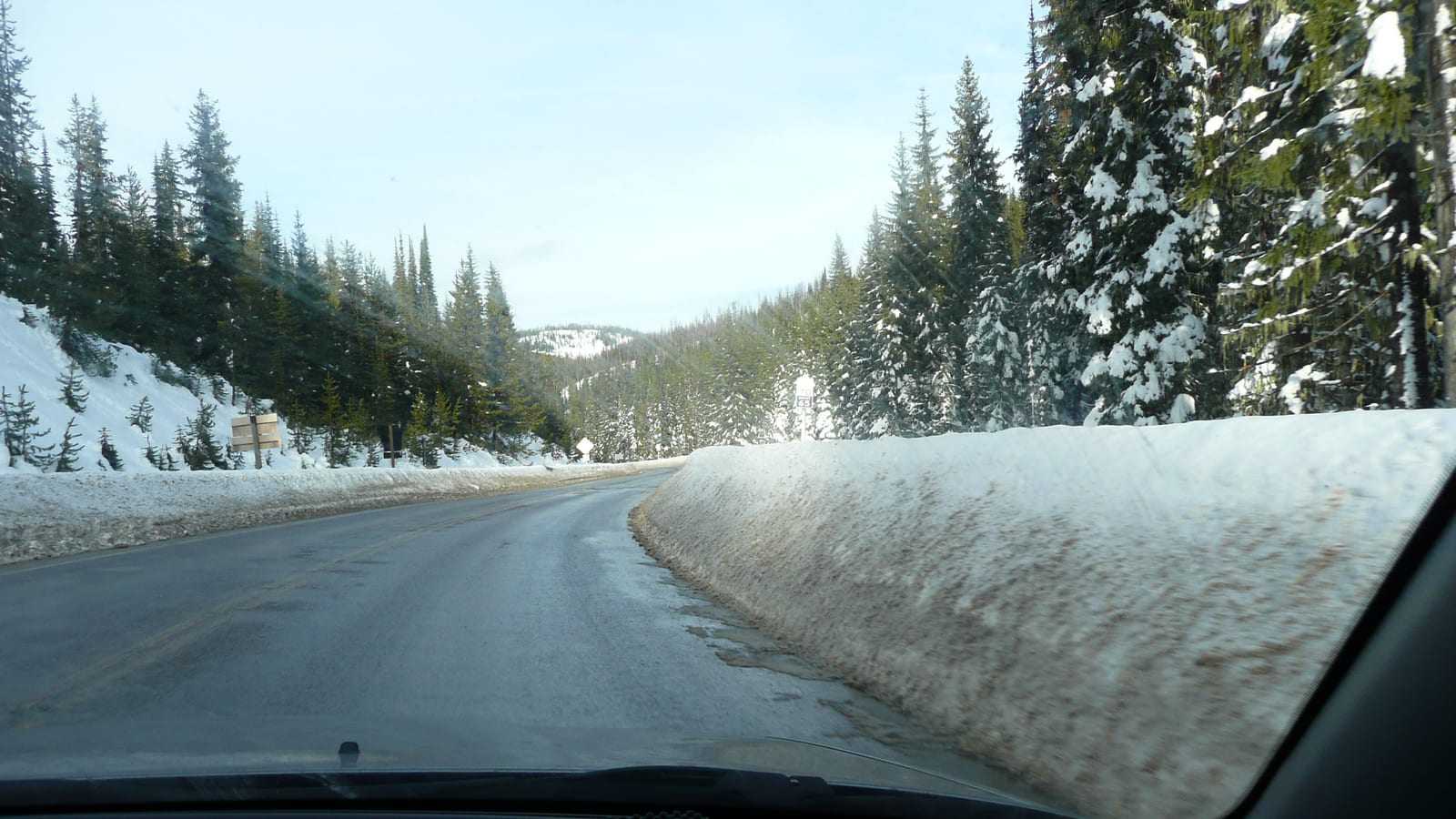
Quick answer
- Plan to switch when daily temperatures settle at about 45°F (7°C) or lower. Don’t wait for the first snowfall.
- The three-peak mountain snowflake means a tire passed a standardized snow traction test. M+S alone is based on tread design, not a snow test.
- Fit winter tires on all four wheels, never on the front axle alone.
- Switch back once spring temperatures stay above about 45°F, and store the off-season set indoors, somewhere clean, dry and out of the sun.
Why 45°F is the usual signal, not the first snow
Tire rubber stiffens as it gets colder. Tire makers say the compounds in all-season and summer tires start to harden once temperatures drop below about 45°F, and harder rubber grips less on every surface, dry pavement included. The loss of grip starts on cold, clear mornings, well before any snow sticks to the road.
Winter tires (once called snow tires) use rubber that stays flexible in freezing weather. Their tread is also cut with many thin slits, called sipes, which add edges that bite into snow and slush.
That is why tire makers commonly advise switching when daily temperatures consistently fall to about 45°F (7°C) or lower. One chilly morning in early fall is not the signal. A steady run of cold days is.
Waiting for the first storm also leaves little time to get the job done. You need to confirm the size, order the tires and book a local tire shop to mount and balance them. At Simolary, orders are processed in 1–2 business days (Monday–Friday). Delivery times are estimates, so order before the forecast turns, not after. Browse winter tires and check each listing’s size against the tire placard on your driver’s door jamb.
M+S vs. the three-peak mountain snowflake
M+S (also written M/S, M&S or MS) stands for mud and snow. Under the U.S. Tire Manufacturers Association (USTMA) definition, a tire qualifies through tread design, measured from the mold: slots or pockets at the tread edge that reach at least 1/2 inch toward the center, and open space (voids) making up at least 25% of the tread surface. No snow traction test is involved. The mark is common on all-season tires.
The three-peak mountain snowflake (3PMSF) is based on a performance test. Under the USTMA definition, the tire is run on medium-packed snow using the ASTM F1805 traction test and must beat a standard reference test tire by at least 10% or 12%, depending on which reference tire is used. Tires that pass qualify to carry the M+S letters plus a pictograph of a three-peaked mountain with a snowflake inside.
Know what the symbol does not cover. The test measures driving traction, the grip that gets the vehicle moving, in a straight line on packed snow. Braking and cornering grip are measured with separate test methods, and ice is not part of the qualification. Treat the symbol as a minimum bar for snow traction, then compare winter tires using each maker’s own information.
A few tires outside the winter category also earn the symbol, including some all-terrain tires. Check the sidewall or the listing’s specifications rather than going by the category name.
| Mark | How a tire earns it | Where you’ll often see it | What it tells you |
|---|---|---|---|
| M+S (M/S, M&S) | Tread design measurements; no snow test | Many all-season tires | Tread intended for limited mud and snow use |
| Three-peak mountain snowflake | A traction test on medium-packed snow | Winter tires and some all-terrain tires | Passed USTMA’s severe-snow traction criteria; says nothing about ice |
Fit winter tires on all four wheels
Putting winter tires on the drive wheels only is a common shortcut, and the tire industry advises against it. USTMA says it is always preferable to fit winter tires in every wheel position and that they should never go on the front axle alone. That applies to front-wheel-drive, all-wheel-drive and four-wheel-drive vehicles alike.
The reason is balance. Getting moving depends mostly on the drive wheels, but once the vehicle is rolling, steering, cornering and braking depend on grip at both ends. USTMA says the rear tires need traction comparable to or better than the front tires to keep the vehicle under control, and that winter tires on the front axle alone can cause poor handling.
A few other checks before you order:
- Size and load. Match the size and load index on your vehicle’s placard or in the owner’s manual. Unless the vehicle maker says otherwise, all four tires on an all-wheel-drive or four-wheel-drive vehicle should be the same size.
- Speed rating. Winter tires sometimes carry a lower speed rating than the original tires. USTMA says that is generally acceptable, but the vehicle’s speed must then stay within the winter tire’s rating. Check the owner’s manual for any restrictions.
- Vehicle type. Shop passenger car tires or SUV/CUV tires in the placard size, and stay with light truck (LT) construction if that is what the placard calls for.
Is all-season enough where you live?
All-season tires are the year-round choice for many drivers, and in mild climates they can be enough. One major tire maker’s guidance is that if your winters bring occasional cold days and light frost but rarely long stretches below freezing, a good all-season tire may be sufficient.
The case for a dedicated winter set gets stronger when:
- daily temperatures sit at or below about 45°F for weeks or months at a time;
- you have to drive on snow- or slush-covered roads instead of waiting for the plows;
- your regular drives include hills, rural roads or early starts on frozen pavement.
If you are on the fence, a local tire shop can tell you what drivers in your area usually run.
When to switch back in spring
Use the same number in reverse: once spring temperatures stay above about 45°F, put the warm-weather set back on. Winter tread rubber is soft by design, and AAA notes that winter tires tend to wear quickly at higher temperatures. Leaving them on through summer uses up tread you will want next winter.
At each swap:
- check tread depth and look for cuts, bulges or cracks;
- mark each tire’s position (LF for left front, and so on) so the set can be rotated when it goes back on;
- set the newly mounted tires to the placard pressures once they are cold.
How to store the off-season set
Tires that sit for months can be damaged by sunlight, heat and ozone. USTMA’s storage guidance:
- Store tires indoors in a clean, dry, well-ventilated space with mild temperatures, out of direct sunlight.
- Keep them off the floor, on a rack or a pallet.
- Keep them away from electric motors, battery chargers, generators and welding equipment. These give off ozone, which cracks rubber.
- Keep gasoline, oil and solvents away from them.
- Stack unmounted tires sidewall to sidewall, and don’t pile them so high that the bottom tires get damaged.
- If they must stay outside, raise them off the ground under an opaque, waterproof cover with vents, and never leave them on black asphalt.
Keeping the winter set on its own wheels turns each seasonal change into a wheel swap instead of remounting tires on the same rims twice a year. If you go that route, ask the shop whether the second set of wheels needs its own tire pressure sensors. Before a stored set goes back on the vehicle, have a tire professional inspect it, and read the DOT date code on the sidewall so you know how old the tires are.
Frequently asked questions
Can I put winter tires on just the front of a front-wheel-drive car?
Is a tire marked M+S the same as a winter tire?
Can I leave winter tires on all year?
Do winter tires have to match my original speed rating?
 Tire GuidesWhy Tire Pressure Drops in Cold Weather (and What to Do)How much tire pressure drops as temperatures fall, why the TPMS light comes on during cold mornings, and how to check and…
 Tire GuidesWhen to Replace Tires: Tread Depth, Age and Warning SignsTread depth, age and damage all decide when a tire is done. How to run the penny and quarter tests, read uneven…
 Tire GuidesCommercial Truck Tires: Steer, Drive and Trailer ExplainedRib or lug, 11R22.5 or 295/75R22.5, Load Range G or H: a plain guide to commercial truck tires by wheel position, load…