
 Furniture
All-Terrain, Rugged-Terrain or Mud-Terrain: How to Choose
A/T, R/T or M/T? How the three off-road tread families differ in voids, sidewalls, noise, wear and snow ratings, and how to pick for the terrain you drive most.
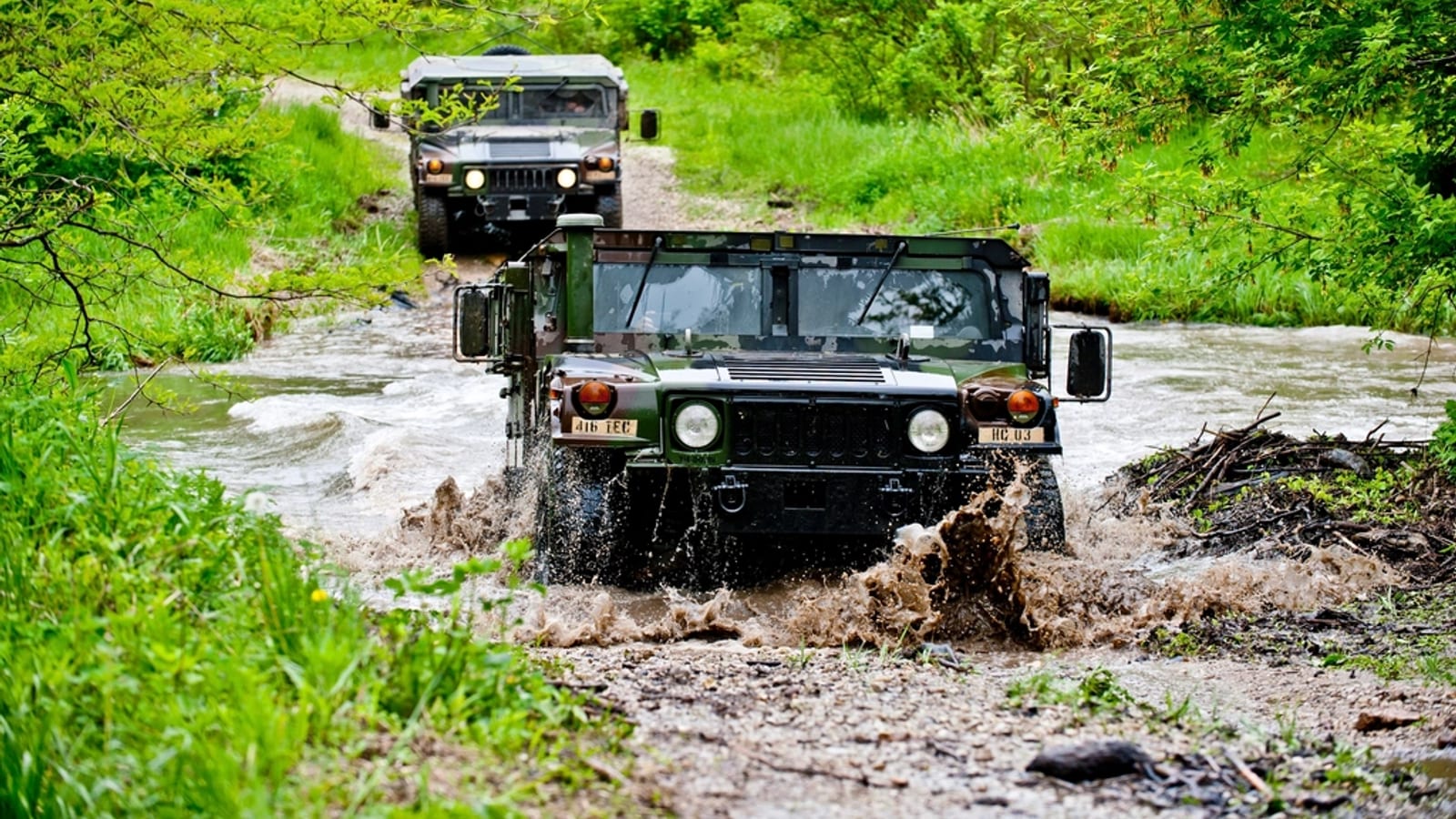
Quick answer
- Mostly pavement, plus regular gravel, dirt and light mud: all-terrain (A/T).
- Frequent rough trails, rocks or mud, and you can accept more road noise: rugged-terrain (R/T), which tire makers describe as a hybrid of A/T and M/T.
- Deep mud and hard off-road use most weeks: mud-terrain (M/T), usually the most open tread with the biggest trade-offs on pavement.
- Choose for the toughest terrain you drive regularly, not the one big trip you take each year.
All-terrain, rugged-terrain and mud-terrain tires sit on one scale. Each step toward mud-terrain typically adds bite in dirt, rock and mud, and gives up some quiet, comfort and fuel economy on pavement. The right pick is usually the least aggressive tire that still handles the terrain you drive regularly.
Three steps on one scale
All-terrain (A/T) tires are built to split time between pavement and unpaved roads. Tire makers describe them as handling gravel, dirt and light mud while staying comfortable enough for daily driving. Of the three, they are usually the most road-friendly.
Rugged-terrain (R/T) tires are the middle step. Manufacturers describe them as hybrids: more off-road grip than a traditional all-terrain, without the full noise and harshness of a dedicated mud tire. Some makers sell one R/T that leans toward the all-terrain side and another that leans toward mud-terrain, so read each tire’s description.
Mud-terrain (M/T) tires are built for maximum traction in deep mud and loose ground, even at the cost of comfort on pavement. They typically have very large tread blocks separated by wide channels, plus heavy protection on the shoulders and sidewalls.
What changes as the tread gets more aggressive
Four features usually grow as you move from A/T toward M/T. Designs vary from maker to maker, so treat these as tendencies rather than rules.
- Void ratio and block size. Voids are the open spaces between tread blocks. More void and bigger blocks give the tread more edges to dig into loose ground. The trade-off is less rubber touching the pavement at any moment.
- Self-cleaning. In mud, a tread only grips if it can throw the mud back out. Mud-terrain designs use wide channels so the grooves clear as the tire turns and the blocks can bite again. All-terrain tread, with smaller voids, is meant for light mud.
- Sidewall lugs. Raised blocks on the upper sidewall add grip when the tire sinks into ruts or soft ground, and they help protect the sidewall from cuts and impacts. They are typical of mud-terrain tires and common on rugged-terrain designs.
- Rock and gravel protection. Look for stone ejectors, the raised bumps or ribs in the groove bottoms that help keep stones from lodging and drilling toward the casing. Some aggressive designs also use a three-ply sidewall or casing for added cut and puncture resistance.
For gravel roads alone, an all-terrain tire is often enough. Some all-terrain designs are developed with gravel-road durability as a stated goal, and they give up less on the pavement in between.
The on-road trade-offs
If the same truck handles your commute, these matter as much as trail grip.
- Noise. One major tire maker says even all-terrain tires have louder ride noise than most other tires. Rugged-terrain tires are marketed as quieter than traditional mud tires, which puts mud-terrains at the loud end.
- Ride and handling. Hybrid R/T designs are sold on better ride quality and on-road handling than traditional mud tires, so expect the firmest ride from a mud-terrain.
- Tread life. The same tire maker says all-terrain tires already give up some treadwear because of their tread design. Wear varies widely by tire and by how many of your miles are paved, so compare each maker’s published information.
- Fuel use. Tire makers list shallower tread as one way to cut rolling resistance, and one large tire dealer notes that the more aggressive the tread, the more it can affect fuel economy. How much depends on the tire, the size and the vehicle.
Snow and winter driving
An aggressive tread is not automatically a good snow tread. The mark to look for is the three-peak mountain snowflake (3PMSF) symbol. Under the U.S. Tire Manufacturers Association definition, a tire earns it by passing a standardized traction test on medium-packed snow and beating a standard reference tire by a set margin. The M+S marking, by contrast, is based on tread geometry alone.
Some all-terrain tires carry the 3PMSF symbol. For any rugged-terrain or mud-terrain tire, check the specific tire and size rather than assuming. If you face regular snow and ice, winter tires are the purpose-built option.
A/T vs. R/T vs. M/T at a glance
These are typical tendencies, not measured rankings. Individual tires vary.
| Factor | All-terrain | Rugged-terrain | Mud-terrain |
|---|---|---|---|
| Typical use | Pavement plus gravel and dirt | Mixed use with frequent rough trails | Deep mud and hard off-road use |
| Tread voids | Moderate | Usually larger | Usually the largest |
| Mud | Light mud | More mud grip than A/T | Built for deep mud |
| Road noise and ride | Usually quietest and smoothest | Usually in between | Usually loudest and firmest |
| 3PMSF snow symbol | Some designs carry it | Check each tire | Check each tire |
Sizes and load ranges for lifted trucks
Off-road tires come in two main size formats. LT-metric sizes, such as LT285/70R17, follow the familiar width/aspect ratio/rim layout. Flotation sizes, such as 35×12.50R20LT, are written in inches: about 35 inches overall diameter, 12.50 inches section width, radial construction, for a 20-inch wheel. Flotation sizes are common on lifted trucks, and they let you read a tire’s height at a glance.
Most LT tires carry a load range letter. Each letter matches a ply rating, which today describes strength and load capacity rather than a literal count of layers:
- Load Range C: 6-ply rating
- Load Range D: 8-ply rating
- Load Range E: 10-ply rating
- Load Range F: 12-ply rating
The maximum inflation pressure is molded on the sidewall, and it is not the same for every size, even within one load range. One maker’s spec sheet lists 80 psi for an LT265/75R16 in Load Range E and 65 psi for a 35×12.50R20LT in Load Range E. Because an LT tire’s load capacity depends on its inflation pressure, a size different from the original can call for a different pressure than the one on your door-jamb placard. Ask the tire manufacturer or a qualified tire shop to confirm the pressure for your axle loads.
Taller or wider tires than the original size can also rub on suspension or body parts, so have a qualified shop confirm clearance. Your owner’s manual and tire placard remain the starting point for size, load and pressure. When you know your size, browse light truck tires for it.
How to choose: plan for your regular terrain
Think about a normal month, not next summer’s trip. Then ask:
- How many of your miles are paved? If it is most of them, the noise and wear of an aggressive tire add up every day. All-terrain tires cover gravel roads, ranch tracks and light trails for many drivers.
- What is the hardest surface you see regularly? Frequent rocky trails, or mud that stops short of axle-deep, point to rugged-terrain tires.
- Do you regularly face deep mud, clay or serious trail runs? That is the case for mud-terrain tires, along with the road manners that come with them.
- Do you tow, haul or drive in snow? Check the load range against your truck’s needs, and look for the 3PMSF symbol if winter matters.
If you are torn between two steps, the less aggressive tire is usually easier to live with. You will notice its limits on a few trail days, while you would notice a louder, firmer tire on every commute.
Frequently asked questions
What is a rugged-terrain tire?
Can I drive mud-terrain tires every day?
What does 35x12.50R20LT mean?
Is Load Range E the same as a 10-ply tire?
Do off-road tires work in snow?
 Tire GuidesWhen to Put On Winter Tires (and What the Snowflake Means)The 45°F rule of thumb, what the three-peak mountain snowflake and M+S marks mean, why winter tires go on all four wheels,…
 Tire GuidesWhy Tire Pressure Drops in Cold Weather (and What to Do)How much tire pressure drops as temperatures fall, why the TPMS light comes on during cold mornings, and how to check and…
 Tire GuidesWhen to Replace Tires: Tread Depth, Age and Warning SignsTread depth, age and damage all decide when a tire is done. How to run the penny and quarter tests, read uneven…