
 Furniture
Better Drip Coffee at Home: Brewer, Grinder and Ratio
Where to start on the coffee-to-water ratio, what brewing temperature to look for in a drip machine, why the grinder matters, and what SCA certification means.
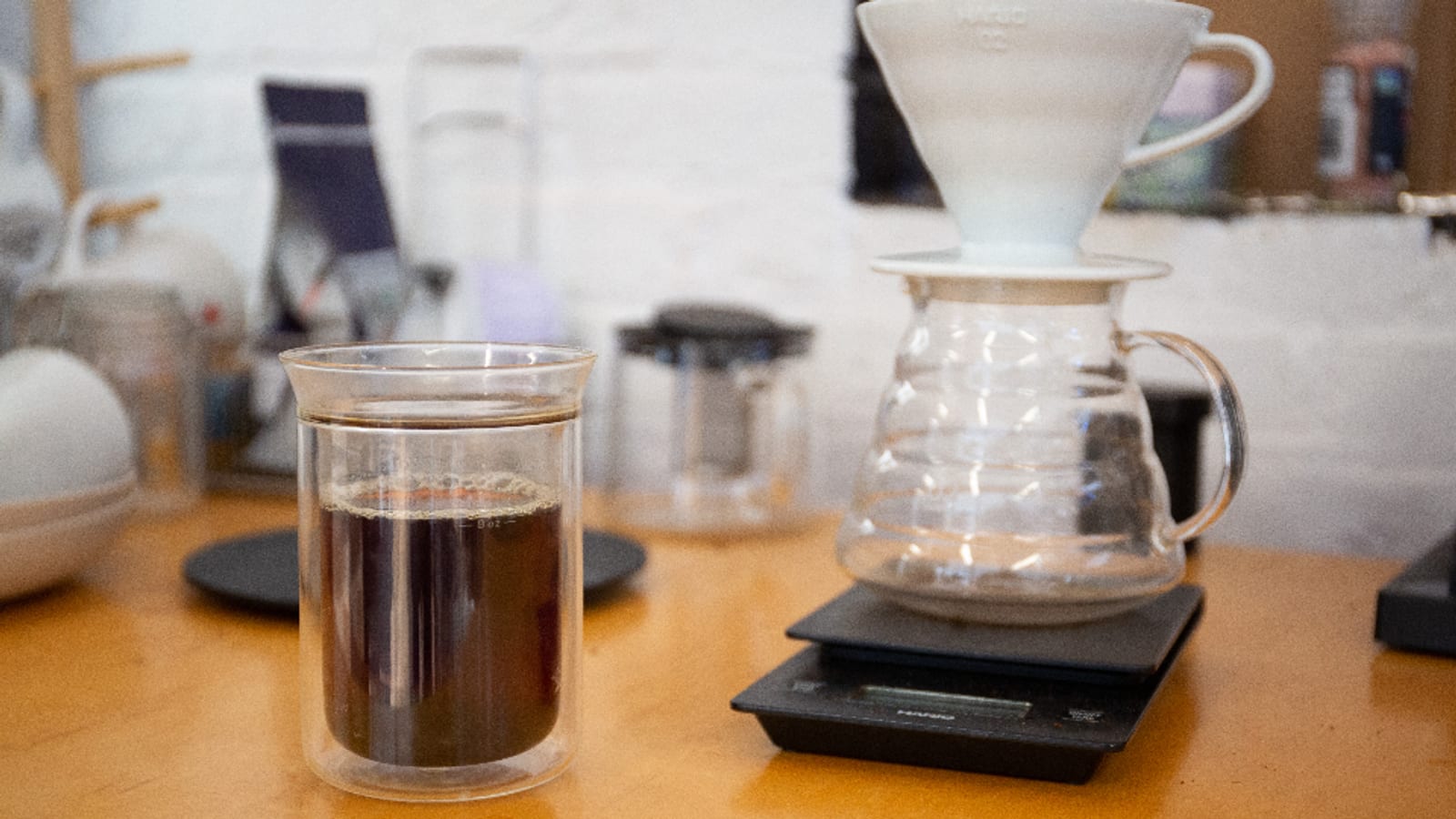
Quick answer
- Start with about 55 grams of coffee per liter of water, roughly 1:18. That is the ratio the Specialty Coffee Association (SCA) uses to test home brewers. Use a little more coffee if you like it stronger.
- Coffee should brew at about 194 to 205°F (90 to 96°C). In a drip machine the brewer controls this, so choose one built to reach that range.
- Use a burr grinder on a medium setting, and grind right before you brew.
- Store beans airtight, away from heat and light. Brew with cold, filtered water, and descale every 3 to 6 months or as your manual directs.
Start with the ratio
The one setting you control every morning is how much coffee goes in for the water you pour. The SCA tests home brewers at 55 grams of coffee per kilogram of water. A kilogram of water is about one liter, so that works out to roughly 1 gram of coffee for every 18 grams of water. The National Coffee Association (NCA) offers a scoop version it calls the Golden Ratio: 1 to 2 tablespoons of ground coffee for every 6 ounces of water.
A kitchen scale makes the ratio repeatable. For example, 1,000 grams of water calls for about 55 grams of coffee. If that tastes too light, try about 60 grams next time. If it tastes too strong, try 50. Change one thing at a time so you know what made the difference.
| Method | Grind | Starting ratio | Contact time |
|---|---|---|---|
| Automatic drip | Medium, like kosher salt | About 1:18 (55 g per liter) | About 5 minutes |
| Pour-over | Medium, like kosher salt | 1:13 to 1:16 | 2 to 4 minutes |
| Espresso, for comparison | Fine, like table salt | 1:2 (coffee to brewed espresso) | 20 to 30 seconds |
The drip ratio comes from the SCA’s test standard. The grinds, contact times and other ratios come from the NCA’s brewing guides. Treat them as starting points and adjust to taste.
Brewing temperature is the brewer’s job
With pour-over, you heat the water yourself. With a drip machine, temperature is built into the design. The SCA’s standard for home brewers requires the mix of coffee and water in the basket to reach 90 to 96°C (about 194 to 205°F) by the time a third of the water has been sprayed, and to stay in that range for the rest of the cycle. The NCA’s pour-over guide gives the same range as its target: 93°C, plus or minus 3°C.
You can’t easily change a drip machine’s brewing temperature after you buy it, so check before you choose. Look for a maker that states its brewing temperature, or for an SCA-certified model. Browse our coffee makers with that in mind, and compare carafe type, batch size and the shape of the brew basket.
What an SCA-certified home brewer means
The SCA certifies home coffee makers after testing at a third-party lab, and it lists its home-brewer standard (SCA 310-2021) among its certification standards. That standard checks that a brewer:
- hits and holds the 90 to 96°C brewing range described above;
- makes coffee within the SCA’s target strength at the standard 55 g per liter ratio;
- extracts the grounds evenly across the basket;
- performs consistently across three units, five brews each;
- if the carafe is heated, holds coffee at 80 to 85°C (176 to 185°F) for the first 30 minutes without heating it past that range.
The brewer also has to come with instructions that recommend a grind, the 55 g per liter ratio, a filter type and how to clean it. The standard covers electric drip brewers only. Pour-over drippers, French presses, espresso machines and pod brewers are outside its scope. Makers decide whether to submit a model for testing, so a brewer without the mark hasn’t necessarily failed anything. The SCA keeps the current list of certified models on its website, so check there rather than relying on packaging alone.
Burr grinders, grind size and fresh grounds
A burr grinder crushes beans between a moving burr and a fixed one. The NCA says burr grinders do a better job of creating a consistent grind and are less likely to overheat the grounds. A blade grinder chops the beans with a spinning blade, more like a food processor. An even grind makes a good pot easier to repeat and a bad one easier to fix. When you browse our coffee and burr grinders, check that the settings cover the way you brew.
For drip, the NCA suggests a medium grind, about like kosher salt. Its general rule: the longer coffee and water stay in contact, the coarser the grind should be. From there, adjust by taste. If the coffee tastes bitter, try a coarser setting. If it tastes flat or watery, go a little finer.
Grind only what you need, right before you brew.
Storing beans and choosing water
According to the NCA, coffee’s main enemies are air, moisture, heat and light. Keep beans in an airtight container in a cool, dark spot, not in a cabinet next to the oven or dishwasher or anywhere that gets strong afternoon sun. Clear canisters let in light, which can hurt flavor. The NCA also suggests buying smaller amounts more often, about enough for one or two weeks.
If you freeze beans, the NCA’s advice is to use a truly airtight container, take out no more than a week’s worth at a time, and put the rest back before condensation forms.
Brewed coffee is mostly water, so the water matters too. The NCA recommends cold water, filtered if possible, and advises against distilled or softened water.
Cleaning, descaling and the carafe
Rinse the brew basket and any permanent filter with hot water after each use. Minerals from water build up inside the machine, and the NCA reports that major manufacturers recommend descaling at least every 3 to 6 months. Hard water can mean descaling more often. Follow the method in your machine’s manual.
A glass carafe usually sits on a warming plate that keeps heating the coffee. A thermal carafe is insulated and holds heat without a heater. Under the SCA standard, a heated carafe should keep coffee between 80 and 85°C for the first half hour without going higher. If you drink a pot soon after brewing, either style works. If a pot often sits for a while, a thermal carafe avoids leaving it on a hot plate.
Pour-over and the gooseneck kettle
For one or two cups, pour-over lets you control the water temperature, pour speed and timing yourself. The NCA notes that pour-over kettles have a long, thin gooseneck spout that helps control the flow of water, so you can wet the grounds evenly. Electric kettles with a temperature setting make it easy to hit the target range.
- Heat water to about 93°C (about 200°F). Start with a medium grind and a ratio between 1:13 and 1:16.
- Pour about twice the coffee’s weight in water over the grounds to let them bloom. Wait 30 to 45 seconds, until the bubbling stops.
- Pour the rest slowly and steadily, starting in the middle and spiraling outward.
- Aim for 2 to 4 minutes of total contact time, then adjust the grind if the cup tastes bitter or thin.
Whichever way you brew, the fixes come in the same order: measure the coffee, grind it fresh and evenly, use good water at the right temperature, and keep the equipment clean. You’ll find brewers, grinders and kettles in our Coffee, Espresso & Tea section.
Frequently asked questions
Should I measure coffee by weight or by the scoop?
Why does my drip coffee taste bitter?
Is a burr grinder worth it for drip coffee?
Can I brew with distilled water?
What does the SCA certified mark on a coffee maker mean?
 Kitchen & CoffeeTilt-Head vs. Bowl-Lift Stand Mixers: How to ChooseHow tilt-head and bowl-lift stand mixers differ, which bowl size fits your baking, how to knead dough without straining the motor, and…
 Kitchen & CoffeeClad Stainless vs. Nonstick Cookware: What to Buy FirstClad stainless sears and builds pan sauces; nonstick makes eggs easy but wears out. How each works, how to care for it,…
 Kitchen & CoffeeSemi-Automatic, Super-Automatic or Pod Espresso Machine?What semi-automatic, super-automatic and pod espresso machines each do for you, how much practice and cleaning they take, and how to pick…