
 Furniture
Semi-Automatic, Super-Automatic or Pod Espresso Machine?
What semi-automatic, super-automatic and pod espresso machines each do for you, how much practice and cleaning they take, and how to pick the right type.
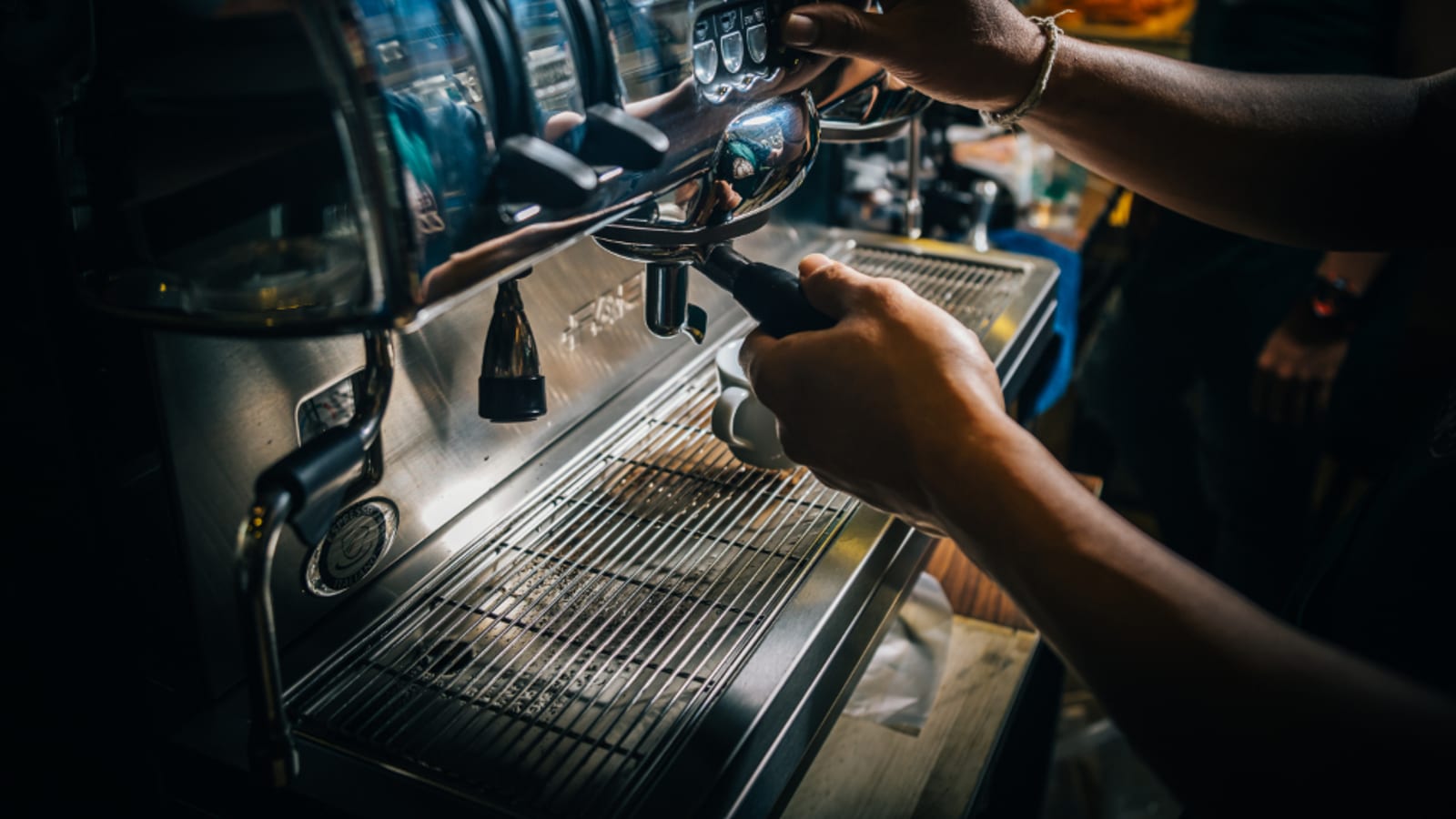
Quick answer
- A semi-automatic heats the water and builds the pressure. You grind, dose and tamp, and you decide when the shot stops. It gives the most control and takes the most practice.
- A super-automatic (bean-to-cup) machine grinds, doses, tamps and brews at the press of a button, and many models froth milk too. It has more internal parts to keep clean.
- A pod machine brews from sealed, pre-measured capsules. It takes the least effort and cleanup, but you can only use pods made for that system.
- A semi-automatic without a built-in grinder needs a separate burr grinder that can grind fine enough for espresso.
What each type of machine automates
Every espresso drink takes the same steps. Someone grinds the beans, measures a dose, presses it into a firm puck and forces hot water through it. For a latte or cappuccino, someone also heats and froths the milk. The type of machine tells you how many of those jobs it does for you.
The National Coffee Association (NCA) describes a semi-automatic as a machine that builds the pressure for you while you control how much water runs through the coffee, so you end the shot yourself. A super-automatic, by the NCA’s description, handles the whole job. Pod machines skip grinding and tamping altogether, because the coffee comes pre-measured in a sealed capsule.
| Step | Semi-automatic | Super-automatic | Pod |
|---|---|---|---|
| Grinding | Built in on some models; otherwise a separate burr grinder | Built in | None (pre-ground capsule) |
| Dosing and tamping | You | Machine | None |
| Ending the shot | You, or a preset volume on some models | Machine | Machine |
| Milk | Manual steam wand on many models | Automatic milk system or steam wand, by model | Built-in milk system on some; otherwise a separate frother |
| Routine care | Rinse the portafilter; purge and wipe the wand | Rinse cycles, grounds bin, milk circuit, brewing unit | Empty the capsule container and drip tray |
| Learning curve | Steepest | Low | Lowest |
The numbers behind a shot of espresso
The NCA’s espresso guide calls for a fine grind, about like table salt, a ratio of 1 gram of dry coffee to 2 grams of brewed espresso, and roughly 20 to 30 seconds of contact between water and coffee. So 18 grams of ground coffee should give about 36 grams of espresso in the cup. On a semi-automatic you aim for those numbers yourself. On the other two types, the machine or the pod takes care of them.
Pressure is where box labels get confusing. Espresso is commonly brewed at about 9 bar, roughly nine times the air pressure at sea level. Pump ratings of 15 bar or more are common on home machines, but that number describes what the pump can produce, not the pressure the coffee sees during the shot. One maker, for example, lists a 15-bar pump and a 9-bar extraction for the same machine. So don’t compare machines by the biggest bar number on the box.
Semi-automatic machines: the most control, the most practice
With a semi-automatic, you grind the beans, level and tamp the dose in the portafilter basket, lock the portafilter into the group head and start the pump. Then you watch the shot and stop it when the cup reaches your target. Small changes in grind size, dose and shot time change the taste. That is the appeal if you enjoy the process, and a chore if you just want coffee before work.
The grinder matters as much as the machine
Some semi-automatics have a burr grinder built in, which saves counter space and a step. If yours doesn’t, plan on a separate burr grinder made for espresso, with settings fine enough to dial in a shot. The NCA says burr grinders give a more consistent grind than blade grinders, and it recommends grinding whole beans right before you brew.
Milk with a steam wand
Many semi-automatics include a manual steam wand. Frothing milk by hand takes practice, but it lets you control temperature and foam for lattes, flat whites and cappuccinos. Purge the wand with a short burst of steam before and after you steam milk, and wipe it with a damp cloth as soon as you finish so milk doesn’t build up on it. Your manual will have the exact steps.
Daily cleanup is short: knock out the used puck, rinse the portafilter and basket under hot water, and wipe the group head and shower screen with a damp cloth. Every so often, run hot water through the group head with the empty portafilter locked in to flush out old grounds and oils.
Super-automatic machines: push-button drinks
A super-automatic, often called bean-to-cup, holds whole beans in a hopper. It grinds and doses them, compacts the coffee in a brewing unit, brews the shot and drops the spent grounds into an internal bin. Many models also have an automatic milk system that froths milk straight into the cup. You pick the drink and adjust settings such as strength or volume on the control panel.
The trade-off is less hands-on control and more parts on a cleaning schedule. As an example, one major maker’s instructions call for a rinse before and after each use, cleaning the milk circuit after every milk drink, and taking out the brewing unit once a week to rinse it with water only. Designs differ, so follow the manual for your machine.
Super-automatics suit households where several people want different drinks in a hurry, and anyone who would rather not learn to tamp and steam. They also make espresso drinks without a separate grinder on the counter.
Pod machines: the least work
Pod machines brew from capsules of pre-measured, pre-ground coffee. You drop a capsule in, close the lever or lid and press a button, and the machine forces hot water through the capsule under pressure. On many models, the used capsule then drops into a built-in container. There is no grinding, dosing or tamping. Routine care is mostly emptying the capsule container and drip tray, plus descaling on the schedule in the manual.
Capsules and machines are designed as a system, so check which pods a machine takes before you choose it. Your coffee options are whatever comes in those pods. For lattes and cappuccinos, a pod machine without its own milk system pairs well with a separate milk frother.
Water, descaling and counter space
All three types need descaling, because minerals in water build up inside the heating system. How often depends mainly on how hard your water is and how much coffee you make, so follow the machine’s descale alert or the schedule in the manual, and use the descaler the maker specifies. At least one major maker warns against using vinegar and suggests a compatible water filter to help slow scale buildup. If your machine has a filter, take it out before you run a descaling cycle.
Before you choose, measure the spot where the machine will live. Leave room above it to open the bean hopper or lift out the water tank, especially if you plan to fill the tank at the sink. A super-automatic also needs space in front for the drip tray and grounds bin to slide out.
How to choose: four questions
- Do you enjoy the process? If adjusting grind, dose and shot time sounds fun, a semi-automatic gives you the most control. If you only want the drink, look at super-automatic or pod machines.
- How many milk drinks do you make? Daily lattes for several people point to a machine with an automatic milk system, or a steam wand you’re willing to learn. Occasional cappuccinos work fine with a separate frother.
- How much cleaning will you do? A semi-automatic needs a quick rinse and wipe after each session. A super-automatic runs some cleaning cycles itself but has more parts on a schedule. A pod machine asks the least.
- Do you already own a burr grinder? If not, a semi-automatic with a built-in grinder, or a super-automatic, means one less appliance on the counter.
Once you know which type fits, browse our espresso machines, and see the rest of the Coffee, Espresso & Tea section for grinders, frothers and kettles. Questions about a listing? Customer service is available Monday through Friday, 9 AM to 5 PM Mountain Time, or you can reach us through the Contact Us page.
Frequently asked questions
Is a 15-bar or 20-bar espresso machine better than a 9-bar one?
Can I use pre-ground coffee in a semi-automatic machine?
Can a pod machine make lattes?
How often should I descale an espresso machine?
 Kitchen & CoffeeTilt-Head vs. Bowl-Lift Stand Mixers: How to ChooseHow tilt-head and bowl-lift stand mixers differ, which bowl size fits your baking, how to knead dough without straining the motor, and…
 Kitchen & CoffeeBetter Drip Coffee at Home: Brewer, Grinder and RatioWhere to start on the coffee-to-water ratio, what brewing temperature to look for in a drip machine, why the grinder matters, and…
 Kitchen & CoffeeClad Stainless vs. Nonstick Cookware: What to Buy FirstClad stainless sears and builds pan sauces; nonstick makes eggs easy but wears out. How each works, how to care for it,…