
 Furniture
Hard, Soft or Powered Cooler: How to Choose for Your Trip
Hard coolers hold ice longest, soft coolers are easiest to carry, and 12V compressor coolers skip ice entirely. Here is how to match one to your trip.
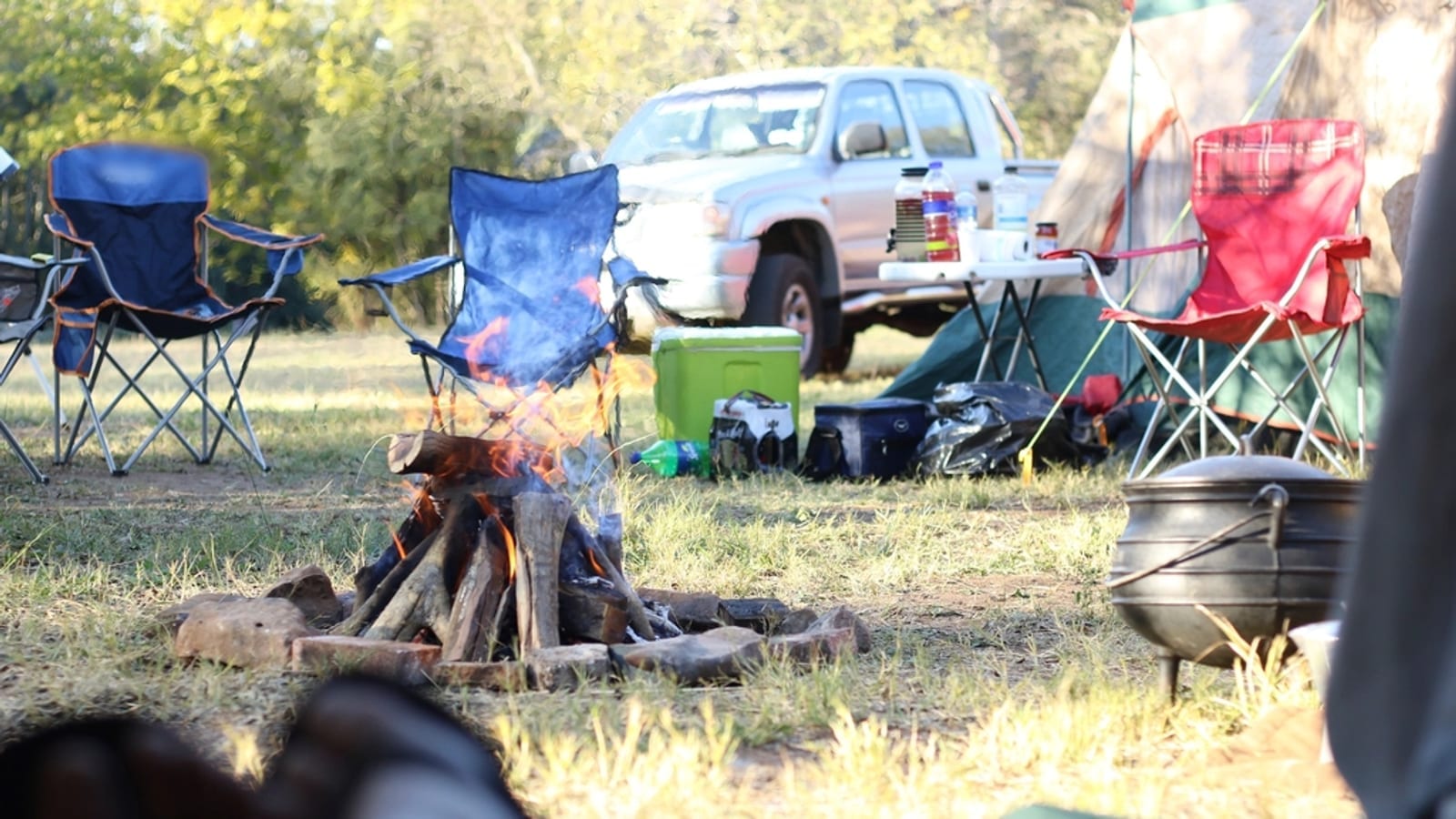
Quick answer
- Hard-sided coolers suit multi-day trips. Thick walls and a gasketed lid hold ice longest, but they are heavy when full.
- Soft-sided coolers suit day trips, lunches and picnics. They are light and easy to carry, but the ice goes faster.
- 12V compressor coolers need no ice and hold a set temperature, as long as you have a plan for power.
- Whatever you choose, USDA and FDA guidance is to keep perishable food at 40°F or below.
Start with the trip, not the cooler
Four questions narrow the choice. How many days will you be away from fresh ice? How many people are you feeding? How far will you carry the cooler from the car? And will you have steady 12-volt power from your vehicle or a separate battery?
A day at the lake and a week of car camping are different jobs. A soft cooler suits the first, and a hard or powered cooler suits the second. If you camp often, you may end up using both: the soft cooler for drinks and day outings, the bigger one for food.
Hard, soft and powered coolers compared
| Type | Best for | How it stays cold | Trade-offs |
|---|---|---|---|
| Hard-sided | Weekend and multi-day camping, fishing, tailgates | Ice or frozen packs inside thick insulated walls | Heavy when full and bulky in the car |
| Wheeled hard-sided | Campgrounds, sports fields, paved paths | Same as hard-sided | Wheels and handle add weight; best on firm ground |
| Soft-sided | Day trips, lunches, picnics, short drives | Ice packs inside a padded, insulated bag | Thinner insulation, so the ice goes faster |
| 12V compressor | Long road trips and camping with vehicle power | Built-in refrigeration, no ice needed | Needs steady power; heavier than a soft cooler |
Hard-sided coolers: the multi-day option
Most of a hard cooler’s performance comes from three parts: thick insulated walls, a lid that seals against a rubber gasket, and latches that pull the lid tight. Thicker walls slow the heat coming in, and a good gasket keeps warm air from leaking past the lid. When you compare hard-sided coolers, check those three before extras like cup holders.
Capacity is listed in quarts, and it is easy to buy too small. One major cooler maker recommends a 2:1 ratio of ice to food and drinks for the longest ice life. Packed that way, only about a third of the space holds food, so a 60-quart cooler carries roughly 20 quarts of groceries. For a multi-day trip on ice, estimate the volume of what you will pack and look for a cooler about three times that size.
Then think about weight. Water weighs about 8.3 pounds per gallon, so a large cooler full of ice, drinks and food can be more than one person should lift. Two sturdy side handles let two people share the load. Wheeled coolers add wheels and a pull handle for campground roads and parking lots. Small wheels work best on firm ground, so expect to carry the cooler across sand or rough trails.
A drain plug lets you empty meltwater without tipping the cooler. USDA advice is to keep food in watertight containers so it never touches melting ice water.
Soft-sided coolers: light and quick
Soft-sided coolers are padded, insulated bags and totes. They weigh far less than a hard cooler, fit into tight spaces in the car and often carry on a shoulder strap. That makes them a good fit for lunch on a day hike, a picnic, a ballgame or groceries on a hot drive home.
The trade-off is insulation. Soft walls are usually thinner than hard cooler walls, so the ice goes faster. Frozen gel packs or frozen water bottles keep things cold without loose meltwater soaking the sandwiches. Pack food straight from the refrigerator and keep the bag in the shade. If you plan to carry loose ice, check whether the liner and zipper are leak-resistant.
Powered 12V coolers: compressor vs. thermoelectric
A powered cooler plugs into a vehicle’s 12-volt outlet and makes its own cold. There are two kinds, and the difference matters for food safety.
Compressor coolers work like a small refrigerator. You set a temperature and the cooler holds it as long as it has power. Some can also run cold enough to freeze food; one maker lists a range of about -8°F to 68°F (-22°C to 20°C) for its compressor models. With no ice taking up room, the whole box holds food, so you can often go smaller. The same maker suggests that a 50- to 75-liter powered cooler (about 53 to 79 quarts) can do the job of the roughly 100-liter ice cooler a multi-day trip would otherwise need.
Thermoelectric coolers are simpler, with no compressor, and they can only cool to a fixed amount below the air around them. Makers typically rate them at about 36 to 40°F below the outside temperature. On a 90°F afternoon, that puts the inside around 50 to 54°F at best, above the 40°F food-safety line. They are fine for keeping already-cold drinks cool on a drive, but do not count on one to hold raw meat safely in hot weather.
Plan the power before the trip. Running a cooler from the starting battery with the engine off can drain it. Some makers build in battery protection, a low-voltage cutoff that switches the cooler off before the battery runs too low. For longer stays without driving, a separate auxiliary battery keeps the starting battery out of it. Compare the cooler’s listed power draw with what your setup can supply, and browse all coolers to see powered and ice models side by side.
How to make ice last longer
- Pre-chill the cooler. A warm cooler melts your first load of ice. One cooler maker suggests loading a “sacrificial” bag of ice a few hours before you pack.
- Pack cold food. Load food straight from the refrigerator or freezer. USDA notes that meat and poultry packed while still frozen stay colder longer.
- Use block ice. According to USDA, a block of ice lasts longer than ice cubes. You can make blocks at home by freezing water in clean, empty milk cartons. Cubes are handy for filling the gaps around food.
- Fill the empty space. USDA notes that a full cooler stays cold longer than a partly filled one. Fill gaps with more ice; one cooler maker also suggests towels.
- Keep it in the shade. One cooler maker says ice lasts up to twice as long in the shade. USDA also suggests covering the cooler with a blanket, tarp or poncho at camp.
- Open it less. Every opening lets warm air in. The FDA and USDA both suggest packing drinks in one cooler and perishable food in another, so the food cooler stays shut.
Food safety at camp
Cold food should stay at 40°F or below. Under FDA guidance, perishable food should not sit in the “danger zone” between 40°F and 140°F for more than two hours, or one hour when it is above 90°F outside.
A few habits help:
- Keep raw meat, poultry and seafood securely wrapped, or in their own cooler, so their juices cannot reach cooked food or produce that will be eaten raw.
- As the ice melts, drain off the water and add fresh ice, as the FDA advises, so the inside stays at 40°F or below.
- Keep an appliance thermometer in the cooler, as USDA suggests, and check that it reads 40°F or below.
- Between meals, keep the cooler closed and in the shade, not on the picnic table in full sun.
- USDA’s rule for leftovers: if the ice is gone or the gel packs have thawed, throw out the perishable food.
For cooking and serving gear, browse our camp kitchen section.
Frequently asked questions
How long does ice last in a cooler?
Should I drain the meltwater?
Can a 12V cooler run overnight from my car?
Is a soft cooler OK for raw meat?
 Outdoor GearSleeping Bag Temperature Ratings and Pad R-Values ExplainedA bag's temperature number assumes base layers and a well-insulated pad. Here is how to read comfort and limit ratings and pick…
 Outdoor GearIndoor Bike Trainers Explained: Direct-Drive vs. Wheel-OnHow direct-drive, wheel-on and roller trainers differ, what smart control and ERG mode do, and what to check on your bike's axle…
 Outdoor GearRoof Boxes and Crossbars: Sizing, Weight Limits and FitStart with your vehicle's roof load limit, then check crossbar spread, hatch clearance and ski length. How to size a roof box…