
 Furniture
Roof Boxes and Crossbars: Sizing, Weight Limits and Fit
Start with your vehicle's roof load limit, then check crossbar spread, hatch clearance and ski length. How to size a roof box for ski season and pack it right.
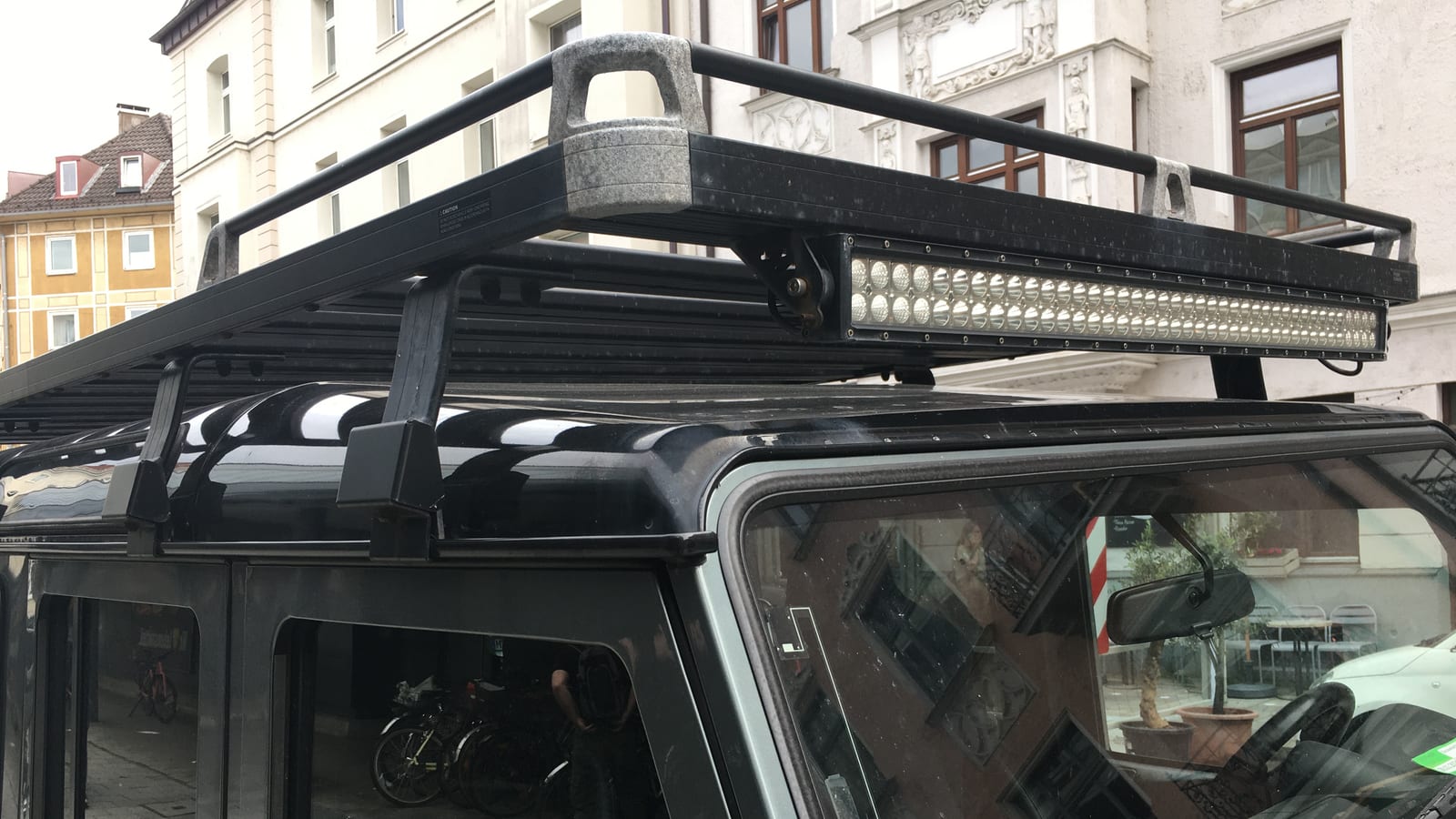
Quick answer
- Check three limits: the roof load in the vehicle owner’s manual, the rack’s rating and the box’s maximum load. Stay under all three, and count the rack and the empty box toward the vehicle’s limit.
- Your crossbar spread has to fall inside the range the box manual lists, and your hatch clearance has to meet its minimum.
- For ski trips, pick a box whose listed maximum ski length covers your longest skis or board.
- Measure total height once everything is mounted, keep heavy gear inside the vehicle and take the box off between trips.
Start with your roof load limit
Open the owner’s manual and find the maximum roof load. That is the weight the roof can carry while the vehicle is moving, often called the dynamic load. Some rack makers also publish a higher static rating for a parked vehicle. It doesn’t apply on the road.
Then find two more numbers: the rack’s load rating and the box’s maximum load. You can’t exceed any of the three, so the lowest one sets your limit. The rack and the empty box also count toward the vehicle’s roof limit, so subtract them before you pack a single bag.
One rack maker’s packing guide uses these sample numbers:
- Roof load limit in the owner’s manual: 165 lb
- Minus the roof rack: 11 lb
- Minus the empty roof box: 44 lb
- Left for cargo: 110 lb, as long as the rack and box ratings also allow it
Run the same math with your own vehicle and gear. If the manual doesn’t list a roof load, ask the vehicle maker or a dealer before you load the roof.
Build the base: roof type, feet and crossbars
A roof box clamps onto crossbars, so the rack comes first. A base rack has three parts: feet (also called towers) that attach to the roof, crossbars that span it and a fit kit made for your vehicle. When you shop base roof racks, start with your roof type:
- Bare roof: no rails or mounting points. The feet clamp into the door jambs.
- Raised side rails: rails with a gap underneath that you can slide your hand into.
- Flush rails: rails that sit tight against the roof with no gap.
- Fixed points: mounting points built into the roof, often hidden under small covers.
- Rain gutters: a raised lip along each side of the roof, found mostly on older vehicles and some vans.
Rack makers publish fit guides that match the feet, bars and fit kit to each vehicle. If your vehicle has factory crossbars, check their load rating in the owner’s manual and confirm that the box’s mounting hardware fits their shape and size.
Roof rack crossbars come in square, round and wing-shaped (aero) profiles. Rack makers shape aero bars to cut drag and wind noise, though a box on top can still add some noise of its own.
Crossbar spread, hatch clearance and box position
Crossbar spread is the distance between the front and rear bars, measured center to center. Box manuals list a minimum and maximum spread for their mounts, and your bars need to land inside that range. One box maker’s safety sheet adds that when the instructions give no bar positions, you should try to keep the bars at least 700 mm (about 27.5 inches) apart.
On SUVs, wagons and hatchbacks, hatch clearance decides how far back the box can sit. Open the rear hatch fully and measure from the center of the front crossbar to the point where the open hatch meets the roof. The box manual lists the minimum for this distance. If yours comes up short, the hatch can hit the box. Sliding the box forward helps, but the same maker notes that a box mounted too far forward adds drag and noise, so use the position the manual recommends.
Mount the box facing forward and parallel to the road. The safety sheet warns that a box mounted at an angle creates extra lift. If you also want a bike or ski mount on the bars, leave room beside the box.
Sizing the box: liters, cubic feet and ski length
Capacity is listed in liters, cubic feet or both. One cubic foot is about 28.3 liters, so a 16-cubic-foot box holds roughly 450 liters. Shape counts too: long, narrow boxes suit skis and snowboards, while shorter, wider boxes suit duffels and camping gear and are easier to keep clear of the hatch.
For ski trips, length decides it. Many listings state the longest skis or board that fit, so measure your longest pair and compare. If you only carry skis and boards, a ski and snowboard rack on the crossbars is a simpler setup. A box adds weight and drag, but it keeps boots, poles and wet gear out of the cabin and away from road spray.
Check which side the lid opens. A box that opens from both sides is easier to load from the curb or in a tight lot, and a lockable lid matters at trailheads and ski-area lots.
Numbers to collect before you order
| Check | Where to find it | What it decides |
|---|---|---|
| Roof load limit | Vehicle owner’s manual | Total for rack, box and cargo |
| Rack rating | Rack instructions or fit guide | Whether the bars can take the full load |
| Box maximum load | Box manual or listing | The cap on what goes inside |
| Crossbar spread | Tape measure, center to center | Whether the box mounts line up |
| Hatch clearance | Tape measure, hatch fully open | How far back the box can sit |
| Longest skis or board | Your own gear | Minimum box length |
| Total height | Tape measure, box mounted | Garage and parking clearance |
Height, handling and packing on the road
A box adds a lot of height. The same safety sheet says a rack and box can raise a vehicle’s height by up to about 27.5 inches, depending on the rack. Once everything is mounted, measure from the ground to the top of the box and keep the number where the driver will see it. Garage doors, parking structures, drive-throughs and low branches are the usual trouble spots.
A loaded roof also changes how the vehicle drives. The sheet warns that crosswind sensitivity, braking and cornering all change, and it asks drivers to adjust speed to the load, the road and the wind and to stay under the maximum speed in the instructions. Before each trip, and at stops along the way, check that the box is tight on the bars, the load is secure and the lid is locked with the key removed. Rack hardware can loosen over time, and one rack maker says to check it before each use and tighten it as needed.
Use the box for bulky, lighter gear such as sleeping bags, clothing and skis, and keep heavy items inside the vehicle. Inside the box, one rack maker suggests a quarter-half-quarter split: about half the weight centered between the crossbars and a quarter each toward the front and back. Don’t strap anything to the outside of the box.
Expect to use more fuel. The U.S. Department of Energy’s fueleconomy.gov says a large, blunt roof box can cut fuel economy by about 2–8% in city driving, 6–17% on the highway and 10–25% at Interstate speeds of 65 to 75 mph. The same site says removing an external cargo carrier when you aren’t using it saves fuel.
Before you order
With the numbers from the table in hand, compare cargo roof boxes by length, capacity, mounting range and opening sides. Simolary offers free shipping to the contiguous US. Orders are processed in 1–2 business days (Monday–Friday), and the tracking number is emailed once the order ships. Returns are accepted within 30 days of receiving the order for items that are unused, undamaged and in the original packaging. Return shipping is paid by the customer unless the item is defective or not as described, so confirm spread, hatch clearance and height before you mount anything. The full terms are on the Return and Refund Policy page.
Frequently asked questions
Can a roof box go on factory crossbars?
Can I go through an automatic car wash with a roof box on?
Should I leave the roof box on all winter?
How do I know if my skis will fit in a roof box?
 Outdoor GearSleeping Bag Temperature Ratings and Pad R-Values ExplainedA bag's temperature number assumes base layers and a well-insulated pad. Here is how to read comfort and limit ratings and pick…
 Outdoor GearIndoor Bike Trainers Explained: Direct-Drive vs. Wheel-OnHow direct-drive, wheel-on and roller trainers differ, what smart control and ERG mode do, and what to check on your bike's axle…
 Outdoor GearChoosing a GPS Sports Watch for Running, Hiking and CyclingBattery life in GPS mode, multi-band tracking, wrist heart rate limits, maps and water ratings explained, so you can match a watch…