
 Furniture
Indoor Bike Trainers Explained: Direct-Drive vs. Wheel-On
How direct-drive, wheel-on and roller trainers differ, what smart control and ERG mode do, and what to check on your bike's axle and cassette before winter riding.
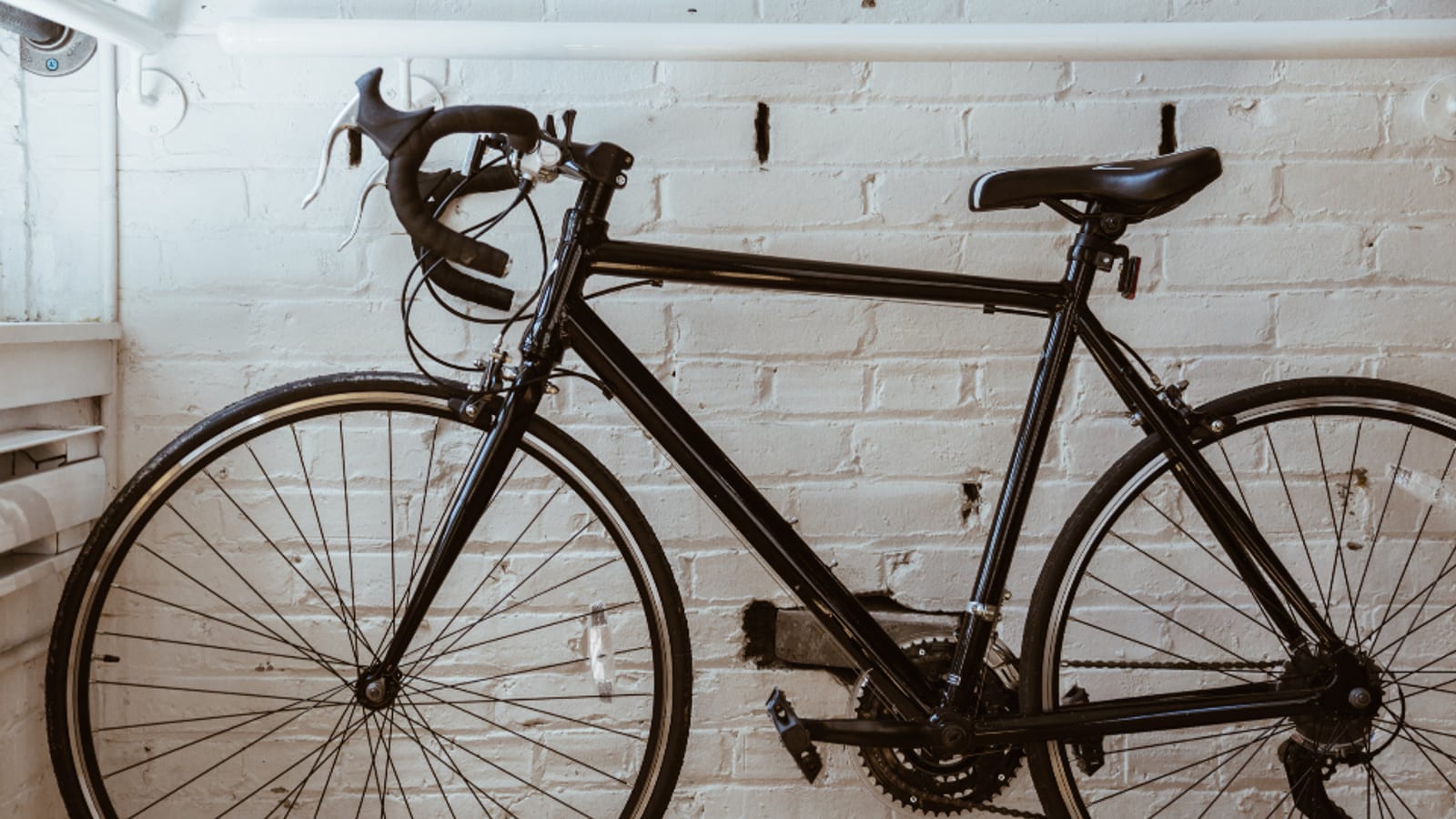
Quick answer
- Direct-drive trainers replace your rear wheel, and makers describe them as quieter and more precise. Wheel-on trainers keep the wheel on and set up faster.
- A smart trainer reports your power and lets an app or bike computer control the resistance over ANT+ FE-C or Bluetooth FTMS.
- Before you order, check your rear axle type and width, your cassette’s speed count and whether the trainer comes with a cassette.
- Plan for a mat, a fan and a sweat cover.
Three ways to ride indoors
Indoor trainers come in three basic types. The choice comes down to how your bike attaches, how much noise you can live with and how precisely you want to measure power.
Wheel-on trainers clamp the bike by its rear axle and press a roller against the rear tire to create resistance. Nothing comes off the bike, so setup is quick, and the units are light and easy to move. The trade-offs are noise from the tire on the roller, tire wear and less precise power readings. Set roller tension the way the manual describes and tighten it slightly if the tire slips. Use a slick tire; knobby tread on a roller adds noise and vibration.
Direct-drive trainers replace the rear wheel. You take the wheel off and mount the frame on the trainer, and your chain drives a cassette fitted to the trainer. With no tire on a roller, makers describe them as quieter, more road-like and more precise at measuring power. The catch is that the rear wheel comes off every time you set up.
Rollers are three drums the bike sits on, with nothing holding it up. You balance as you would on the road, which is why riders use them to smooth out their pedal stroke and work on bike control. If you’re new to rollers, practice in a doorway or next to a wall where you can reach out for balance, and check tire pressure before each ride.
| Feature | Direct-drive | Wheel-on | Rollers |
|---|---|---|---|
| Rear wheel | Removed | Stays on | Stays on |
| Resistance from | Trainer unit, driven by your chain | Roller pressed on the tire | Tires rolling on the drums |
| Balance needed | No | No | Yes |
| Noise, per makers | Quiet | Louder (tire on roller) | Relatively quiet |
| Fit check | Axle end caps and cassette | Axle skewer and roller tension | Tire pressure and floor space |
What “smart” adds: ERG mode and app control
A basic trainer uses magnetic or fluid resistance that you change by shifting gears or, on some models, with a handlebar lever. With a speed sensor, some apps estimate your power from the trainer’s known resistance curve. One maker’s manual calls this “virtual power” and says it is an estimate based on your speed, not a precise measurement.
A smart trainer reports your power and accepts commands. In ERG mode, an app or bike computer sets a target wattage and the trainer adjusts resistance to hold it, whatever gear you’re in. You don’t need to shift, but keep your cadence steady: one training-app maker notes that changing cadence by more than about 10–15 rpm can change your power output. In simulation mode, the trainer changes resistance to mimic hills and wind and you shift as you would outside. In resistance mode, you pick a fixed level.
Two open standards carry those commands. ANT+ FE-C (Fitness Equipment – Controls), first released to ANT+ members in 2014, lets a display set a basic resistance level, a target power or simulation settings such as grade and wind. Bluetooth FTMS (Fitness Machine Service) lets a fitness machine send training data to an app, and setting a target power, a resistance level or bike-simulation values are optional features a trainer may support. Check that your app, tablet, computer or bike computer supports at least one protocol the trainer lists.
Power accuracy and ride feel
Trainer makers state power accuracy as a plus-or-minus percentage. Published figures for direct-drive models commonly run from about 1% to 2.5%, and one maker lists one of its wheel-on models at 5%. These are the makers’ own specifications, not independent test results, so treat them as claims when you compare.
Wheel-on readings also depend on tire pressure, roller tension and tire temperature, so makers call for a spin-down calibration, and they differ on how often. One tells owners of its wheel-on trainer to do a spin-down after a 10-minute warm-up before every ride. Another suggests every two weeks or after a temperature change of 10°F or more. Some newer direct-drive models calibrate themselves as you ride. Follow the manual for yours.
Ride feel comes down to momentum. Spec sheets often list flywheel weight, and a heavier flywheel keeps the pedals turning smoothly between strokes, closer to the feel of a moving bike. Specs also list maximum power and the steepest grade the trainer can simulate. Match those to the riding you actually do: long steady rides, short sprints or steep simulated climbs.
Check the fit: axle, cassette and space
Start with your rear axle. Quick-release bikes usually have a rear spacing of 130 mm or 135 mm, and common thru-axle sizes are 12 x 142 mm and 12 x 148 mm. Most direct-drive trainers now ship with end caps or adapters for these, but check the list before ordering. Wheel-on trainers clamp a quick-release skewer, so a thru-axle bike needs an adapter axle, and if the adapter screws into your frame, its thread pitch has to match.
Next, the cassette. Some trainers come with one installed and others don’t, so read the listing and match the cassette’s speed count to your bike. On a typical 11-speed freehub body, 8-, 9- and 10-speed cassettes need a spacer, and some 12-speed cassettes need a different freehub body sold separately. Swapping a cassette takes a lockring tool and a chain whip or cassette pliers. One trainer maker warns that you can damage the trainer if you aren’t familiar with the job, and suggests a bike technician if you have never done it.
Finally, measure your space. A direct-drive setup needs room for the bike’s full length plus room to get on and off, and many smart trainers need an outlet nearby. Unplug the trainer when it isn’t in use, and wipe it off after every ride. A bike repair stand makes post-ride cleaning and routine bike maintenance easier.
Mat, fan and sweat protection
Indoors there’s no breeze from riding, so plan on a fan: the airflow helps you sweat less and keep going longer. A trainer mat absorbs vibration, makes rides quieter for the rest of the house, keeps sweat off the floor and helps stop the trainer from moving around.
Sweat is the other indoor problem. Heavy sweat can get into trainer components and cause corrosion, so use a sweat cover that loops around the seatpost and straps to the handlebar. A towel made for indoor training helps too. Keep sweat off the trainer’s power cable, and wipe down the bike after each session.
For data and workouts, ride with an app on a tablet or computer, or use one of the bike computers that work with a compatible trainer. Some can pair with an ANT+ trainer, set the resistance and follow a saved course or workout right from the handlebar.
Before you order
Write down your axle type and width, your cassette’s speed count and freehub type, the protocols your app or bike computer supports, and the floor space you have. With those in hand, compare bike trainers by type, included adapters, whether a cassette is included and whether the unit needs an outlet. Simolary offers free shipping to the contiguous US. Orders are processed in 1–2 business days (Monday–Friday), and the tracking number is emailed once the order ships. Returns are accepted within 30 days of receiving the order for items that are unused, undamaged and in the original packaging, so confirm compatibility before you fit a cassette or ride. For more gear, browse the cycling section.
Frequently asked questions
Can one trainer work for both my road bike and my mountain bike?
Do I need a smart trainer to use a training app?
Is a trainer tire necessary on a wheel-on trainer?
Why does ERG mode feel so hard when my cadence drops?
 Outdoor GearSleeping Bag Temperature Ratings and Pad R-Values ExplainedA bag's temperature number assumes base layers and a well-insulated pad. Here is how to read comfort and limit ratings and pick…
 Outdoor GearRoof Boxes and Crossbars: Sizing, Weight Limits and FitStart with your vehicle's roof load limit, then check crossbar spread, hatch clearance and ski length. How to size a roof box…
 Outdoor GearChoosing a GPS Sports Watch for Running, Hiking and CyclingBattery life in GPS mode, multi-band tracking, wrist heart rate limits, maps and water ratings explained, so you can match a watch…