
 Furniture
Sleeping Bag Temperature Ratings and Pad R-Values Explained
A bag's temperature number assumes base layers and a well-insulated pad. Here is how to read comfort and limit ratings and pick a pad for fall camping.
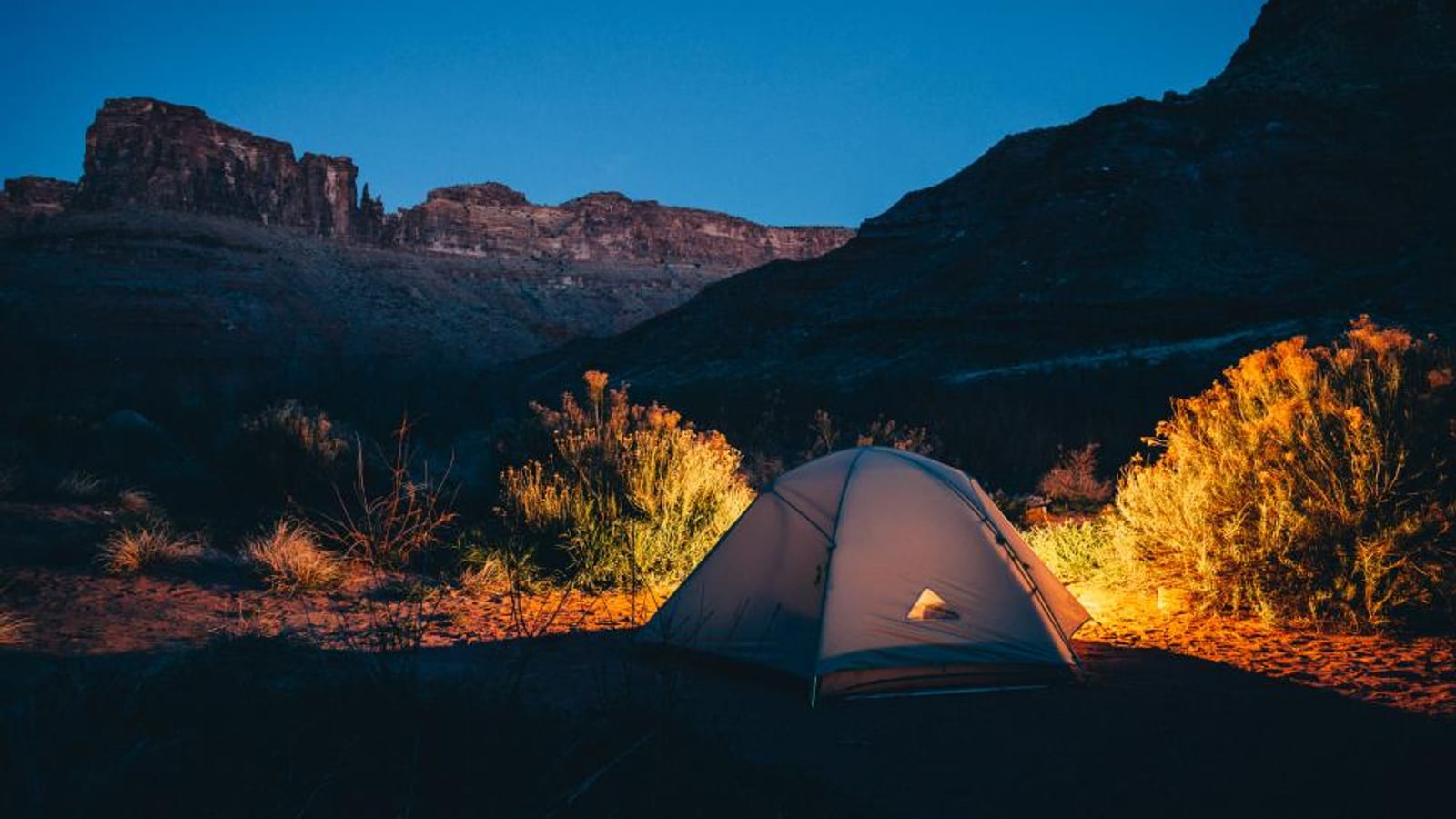
Quick answer
- Under ISO 23537, the comfort rating is for a relaxed or cold sleeper and the limit rating is for a warm sleeper who curls up.
- Pick a bag rated at or below the coldest forecast low where you will sleep. If you sleep cold, plan with the comfort number.
- Bag ratings assume base layers and a well-insulated pad. Pad R-values measured under ASTM F3340 compare across brands and add up when you stack pads.
- Never use a fuel-burning stove, heater, lantern or grill inside a tent.
What the numbers on a sleeping bag mean
Many sleeping bags are rated under ISO 23537, the international test that replaced the European EN 13537 standard in 2017. In the lab, a heated mannequin dressed in a thin thermal top, long underwear and socks lies inside the bag in a cold chamber. The test measures how much energy it takes to hold the mannequin’s skin at a set temperature, and those results become the bag’s ratings. A bag without an ISO or EN rating was rated by its maker’s own method, so its number may not compare directly with a tested bag.
You will usually see two numbers, sometimes three:
| Rating | What the lab models | Who should plan with it |
|---|---|---|
| Comfort | A sleeper lying relaxed, such as on the back, and just not feeling cold | Cold sleepers; some bag makers point women here |
| Limit (lower limit) | A sleeper curled up to save heat, and just not feeling cold | Warm sleepers; some bag makers point men here |
| Extreme | A very low temperature with a risk of health damage from hypothermia | No one. It marks danger, not a camping target |
The gap between comfort and limit can be wide. One bag maker gives the example of a bag with a 14°F limit rating and a comfort rating around 27°F. Before you compare two bags, check which number each listing quotes. Some makers do not publish the extreme figure at all, and no one should plan a trip around it.
The ISO test covers adult bags for sports and leisure use. It does not apply to bags made for children or babies, so a temperature printed on a kids’ bag is not an ISO 23537 rating. Give young campers extra margin and warm, dry layers.
How to pick a rating for fall nights
Look up the forecast low for the place you will sleep, not the nearest town. Then choose a bag whose rating is at or below that low: the comfort rating if you tend to sleep cold, the limit rating if you usually sleep warm. A few degrees of margin helps when a cold front arrives early.
A bag’s rating also assumes things you control. In the test, the mannequin wears base layers and lies on a well-insulated pad; one bag maker says the test pad has an R-value above 5. The same maker warns that without a pad suited to the ground temperature, the bag alone is unlikely to keep you warm enough. A thin summer pad can make a bag feel colder than its number, so choose the bag and pad together.
Why the pad matters as much as the bag
The insulation under your body gets crushed flat by your weight, so the cold ground pulls heat out through the bottom of the bag. A sleeping pad stops that. Its warmth is measured as R-value: the higher the number, the better it resists heat flow.
For years, brands measured R-value in their own ways, so numbers from different brands did not compare well. ASTM F3340, a test method several pad makers developed together and finalized in 2019, fixed that. The pad sits between a warm plate and a cold plate, and the test measures how much energy it takes to keep the warm plate at body temperature. When a listing says an R-value was measured under ASTM F3340, you can compare it with other pads tested the same way.
Two rules make R-values easy to use. Colder nights call for a higher R-value. And R-values add up: one pad maker’s example puts a 4.5 air pad on top of a 2.0 foam pad for a combined 6.5. A closed-cell foam pad under a summer pad is a simple way to stretch it into fall.
Air, self-inflating and foam pads
- Air pads give the most comfort for their weight and pack small. They can puncture, so carry the patch kit.
- Self-inflating pads have open-cell foam inside. Open the valve, the foam expands, and a few breaths finish the job.
- Closed-cell foam pads are bulky but very hard to ruin. One pad maker notes they still work when torn or punctured, which makes them a good bottom layer.
When you shop sleeping pads, compare R-values first, then thickness, weight and packed size.
Down or synthetic, mummy or rectangular
Down gives the most warmth for its weight and packs smaller. Its weak spot is moisture, because wet down stops insulating well. Treated, water-resistant down absorbs less moisture than untreated down, but one major bag maker still says a synthetic bag outperforms treated down in very wet conditions.
Synthetic fill is heavier and bulkier than down at the same rating, but it keeps insulating when damp and dries faster. For rainy fall trips, foggy lakeside sites or anyone who has trouble keeping gear dry, synthetic is the safer choice.
Shape matters too. A mummy bag tapers toward the feet and has a hood, which leaves less air inside to heat. That makes it the warmest shape, though it can feel tight if you sleep on your side. Rectangular bags give room to move but heat less efficiently, which is why warm-weather car campers like them. Semi-rectangular bags sit in between. Compare shapes and fills in our sleeping bags section.
Simple ways to sleep warmer
- Change into dry base layers at bedtime. Keep them in a dry bag during the day.
- Wear a warm hat and dry socks to bed.
- Eat a real dinner and drink fluids. A CDC report on camping safety advises campers to bring enough bedding and clothing and to take in extra calories and fluids to help prevent hypothermia.
- Still cold? Add a midlayer or a puffy jacket inside the bag.
- Leave tent vents open, and crack the rainfly door if the weather allows, so moisture from your breath can escape. Damp gear insulates poorly.
A tent blocks wind and rain, but your bag and pad do most of the warming. If you are choosing a shelter for fall trips, look at tents with a full rainfly and good vents.
Cold-weather safety
Check the forecast before you leave and pack for a night colder than predicted. The CDC notes that hypothermia can happen even above 40°F if a person gets chilled by rain, sweat or cold water.
Warning signs in adults include shivering, exhaustion, confusion, fumbling hands, memory loss, slurred speech and drowsiness. If you see them, get the person into a warm shelter and remove any wet clothing. A body temperature below 95°F is an emergency, and the CDC says to get medical attention right away.
Never use a fuel-burning stove, heater, lantern or charcoal grill inside a tent, camper or other closed shelter. These can give off deadly carbon monoxide, and a CDC report notes that opening tent flaps, doors or windows is not enough to prevent a dangerous buildup. Stay warm with your bag, pad and clothing instead.
Planning the rest of the trip? Browse camping and hiking gear to round out your kit.
Frequently asked questions
Is a 30-degree bag warm enough for a 30°F night?
Can I stack two sleeping pads?
Do women need a different rating?
Can I use a propane heater in my tent?
 Outdoor GearIndoor Bike Trainers Explained: Direct-Drive vs. Wheel-OnHow direct-drive, wheel-on and roller trainers differ, what smart control and ERG mode do, and what to check on your bike's axle…
 Outdoor GearRoof Boxes and Crossbars: Sizing, Weight Limits and FitStart with your vehicle's roof load limit, then check crossbar spread, hatch clearance and ski length. How to size a roof box…
 Outdoor GearChoosing a GPS Sports Watch for Running, Hiking and CyclingBattery life in GPS mode, multi-band tracking, wrist heart rate limits, maps and water ratings explained, so you can match a watch…