
 Furniture
Choosing a GPS Sports Watch for Running, Hiking and Cycling
Battery life in GPS mode, multi-band tracking, wrist heart rate limits, maps and water ratings explained, so you can match a watch to your longest activity.
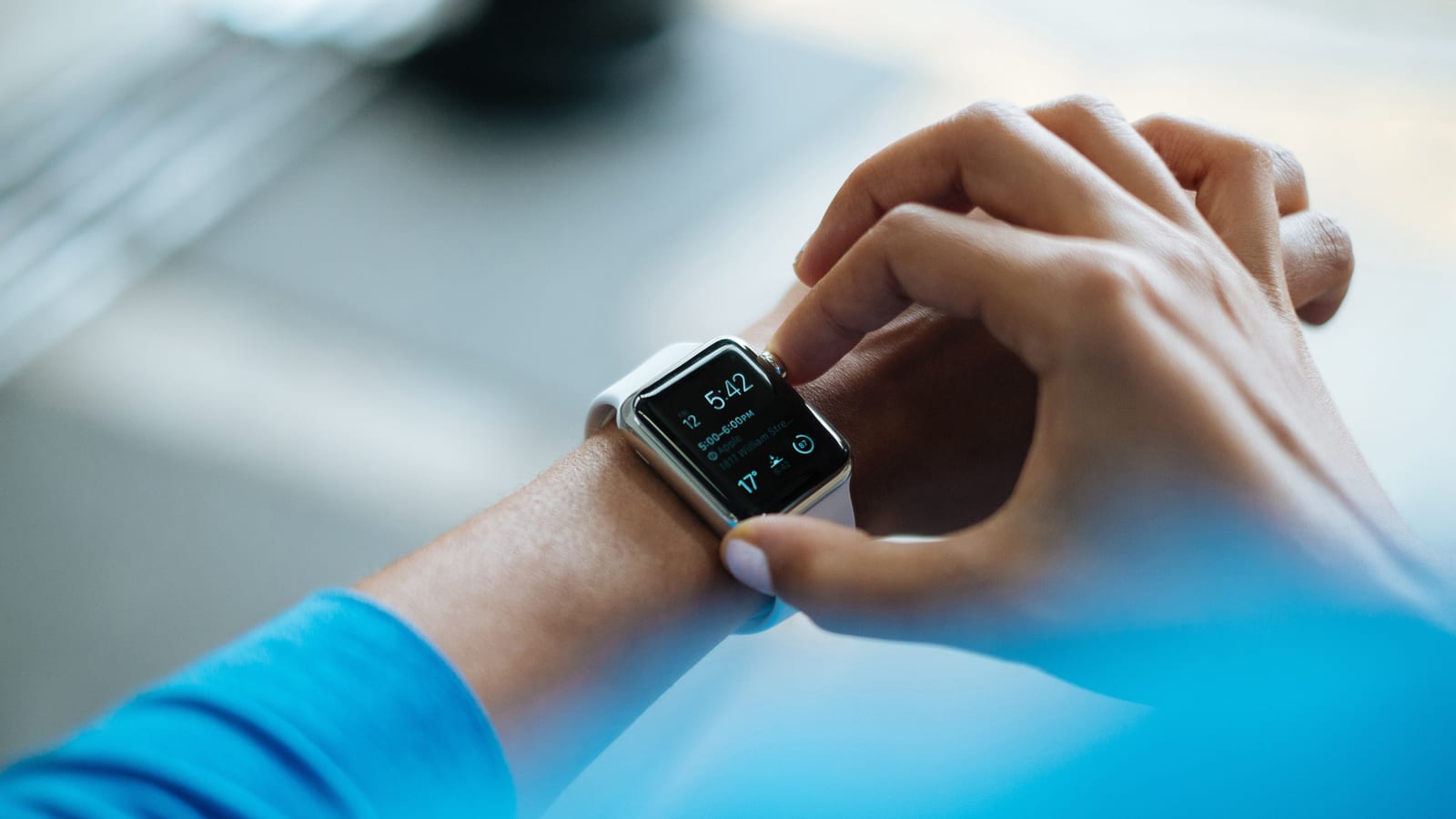
Quick answer
- Match the watch’s battery life in GPS mode, listed in hours, to your longest run, ride or hike, and leave a margin.
- Multi-band GPS helps most near tall buildings, in canyons and under heavy tree cover, and it uses more battery.
- Wrist heart rate works for many workouts. A chest strap reacts faster when heart rate jumps, so add one for intervals and sprints.
- A 5 ATM rating covers swimming. It reflects a pressure test, not a depth you can dive to.
Start with your longest activity
Watch makers list battery life by mode: days for everyday smartwatch use, hours for GPS recording. The gap is large. One current running watch, for example, is rated for up to 13 days as a smartwatch but up to 20 hours of GPS recording, and about 14 hours with every satellite system on multiple bands.
So start with your longest typical outing, such as a marathon, a long weekend ride, a full day on the trail or several days between charges. Then look for a GPS-mode figure that covers it with room to spare. Rated hours assume specific settings, and extra satellite systems, music and an always-on screen all cut into them. Some watches offer low-power recording modes that log track points less often, which stretches battery life at the cost of a less detailed track.
Some models add solar charging. Read the footnotes: one maker’s solar figures assume all-day wear with three hours a day outdoors in strong light (50,000 lux). Cloudy weeks and indoor days add less.
GPS, extra satellite systems and multi-band
GPS is the U.S. satellite system, but many sports watches can also use Europe’s Galileo, Russia’s GLONASS, China’s BeiDou and Japan’s regional QZSS. Using several systems together works better in difficult spots and finds your position faster than GPS alone, but it drains the battery more quickly.
Blocked and reflected signals are the main problem. The U.S. government’s GPS.gov says GPS-enabled smartphones are typically accurate to within about 16 feet (4.9 meters) under open sky, and that accuracy gets worse near buildings, bridges and trees. A watch on your wrist faces the same obstacles.
Multi-band (also called dual-frequency) receivers use more than one of the frequency bands the satellites broadcast on. Makers say this gives more consistent tracks in tough settings, such as streets lined with tall buildings, deep canyons and thick forest, by filtering out signals that bounce off surfaces and errors from the atmosphere. It takes noticeably more power, so some watches can switch modes automatically based on conditions. If most of your miles are under open sky, the extra band matters less.
Heart rate: wrist sensor or chest strap
Many GPS sports watches read heart rate with an optical sensor on the back of the case. One maker states that, at best, wrist readings stay within 5% of a chest strap about 90% of the time. Makers also list what throws them off: a loose fit, cold weather (blood flow shifts away from the arms), gripping or flexing your wrists, vibration on bumpy terrain, water while swimming, and tattoos, sweat or darker skin tones.
A chest strap reads the electrical activity of your heart. One maker says its strap responds faster when heart rate rises or falls quickly, which is why it suggests a strap for intervals and sprints. Another suggests one when the watch sits on your handlebar or over a sleeve. The trade-off is one more thing to wear and wash.
For better wrist readings, wear the watch snug but comfortable just above the wrist bone, and warm up for 5 to 10 minutes before you start recording. In cold weather, warm up indoors.
Maps, sensors and safety features
Navigation varies a lot from watch to watch. Some store topographic maps with contour lines and points of interest. Others show a planned route only as a line with an arrow for your position, often called breadcrumb navigation, and vibrate when you stray off course. If you hike or trail run in unfamiliar places, decide which you need, and check whether maps come loaded or must be downloaded.
Watches also act as a hub for sensors. Beyond a chest strap, many pair with bike speed, cadence and power sensors. If cycling is your main sport, compare a watch with one of the bike computers that mount on the handlebar, where a bigger screen is easier to read while riding.
Some watches offer incident detection during certain outdoor activities. Check how it works on the model you’re considering before you count on it. In one maker’s manual, the feature needs a paired phone with a data connection, sends your location to emergency contacts you set up and does not contact emergency services. That maker calls it a supplemental feature, not a primary way to get help.
Display type and water rating
Many sports watches use one of two screen types. AMOLED screens are bright and colorful but use more power, especially with an always-on setting, which also wears the display faster. Memory-in-pixel (MIP) screens reflect the light around them, so they stay readable in direct sun and use very little power, with a backlight for the dark. If battery life matters most, MIP has the edge; if you want a phone-like screen, AMOLED does.
Water ratings in ATM describe pressure. One atmosphere is roughly the pressure of 10 meters of water, so 5 ATM matches about 50 meters, but that is a static rating, not a depth you can dive to, and moving through water adds pressure. Makers’ charts also differ. One rates 5 ATM for swimming and snorkeling and saves high-speed water sports for 10 ATM and up, while another clears its 50-meter watches for swimming but not snorkeling. Check the manual for the activities you do.
The international standard for water-resistant watches, ISO 22810, leaves it to the maker to say which activities a watch suits. Divers’ watches fall under a separate standard, ISO 6425, for diving to at least 100 meters, so don’t take a 5 ATM sports watch scuba diving. Rinse the watch in fresh water after a swim in salt water.
Feature trade-offs at a glance
| Feature | Helps most with | Trade-off |
|---|---|---|
| Multi-band GPS | Tall buildings, canyons, heavy tree cover | Uses more battery |
| Several satellite systems | Faster position fix, tough spots | Uses more battery than GPS alone |
| Solar charging | Long trips with hours in strong light | Adds little on cloudy or indoor days |
| AMOLED screen | Bright, colorful display | Higher power draw, especially always-on |
| MIP screen | Reading in direct sun, long battery life | Needs a backlight in the dark |
| Built-in maps | Route finding in unfamiliar terrain | Maps take storage and setup |
| Chest strap pairing | Intervals and sprints | One more device to wear and wash |
Fit, size and extras
Match the case size to your wrist. A big, heavy watch can shift while you run, and a watch that moves gives less accurate heart rate readings, so a snug fit and a silicone band help during workouts. Then check the sport profiles: road and trail running, cycling, pool and open-water swimming, hiking and strength training are common, and many watches let you set up the data screens for each one.
Contactless payments, music storage and phone notifications are handy, but they don’t change how well a watch tracks. Settle battery life, satellite support, heart rate, maps and water rating first, then use the extras to break a tie. Browse GPS sports watches with your longest activity in mind, and see the cycling section if you also need ride gear. For questions about a listing, Simolary customer service is available Monday–Friday, 9 AM–5 PM Mountain Time, at +1 307-215-1213, support@simolary.com or the Contact Us page.
Frequently asked questions
Can I swim laps with a 5 ATM watch?
Do I need multi-band GPS for road running?
How much battery do I need for an ultramarathon or a multi-day hike?
Can a GPS watch replace a bike computer?
 Outdoor GearSleeping Bag Temperature Ratings and Pad R-Values ExplainedA bag's temperature number assumes base layers and a well-insulated pad. Here is how to read comfort and limit ratings and pick…
 Outdoor GearIndoor Bike Trainers Explained: Direct-Drive vs. Wheel-OnHow direct-drive, wheel-on and roller trainers differ, what smart control and ERG mode do, and what to check on your bike's axle…
 Outdoor GearRoof Boxes and Crossbars: Sizing, Weight Limits and FitStart with your vehicle's roof load limit, then check crossbar spread, hatch clearance and ski length. How to size a roof box…